Strength Doesn’t Always Look Strong
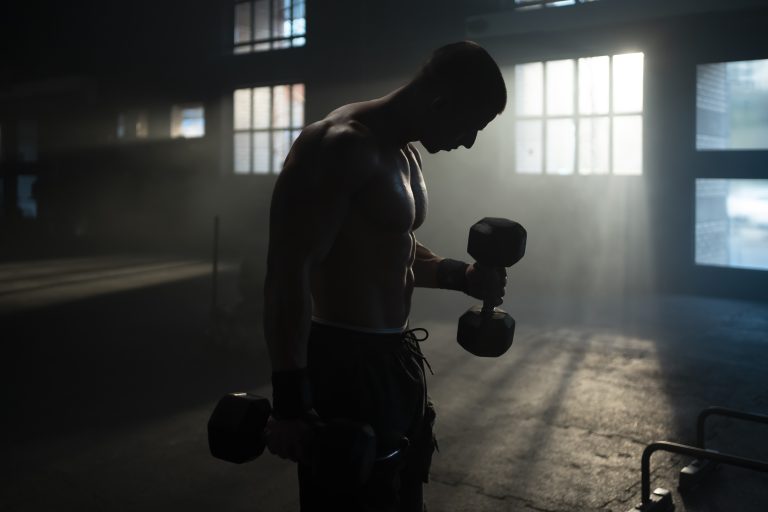
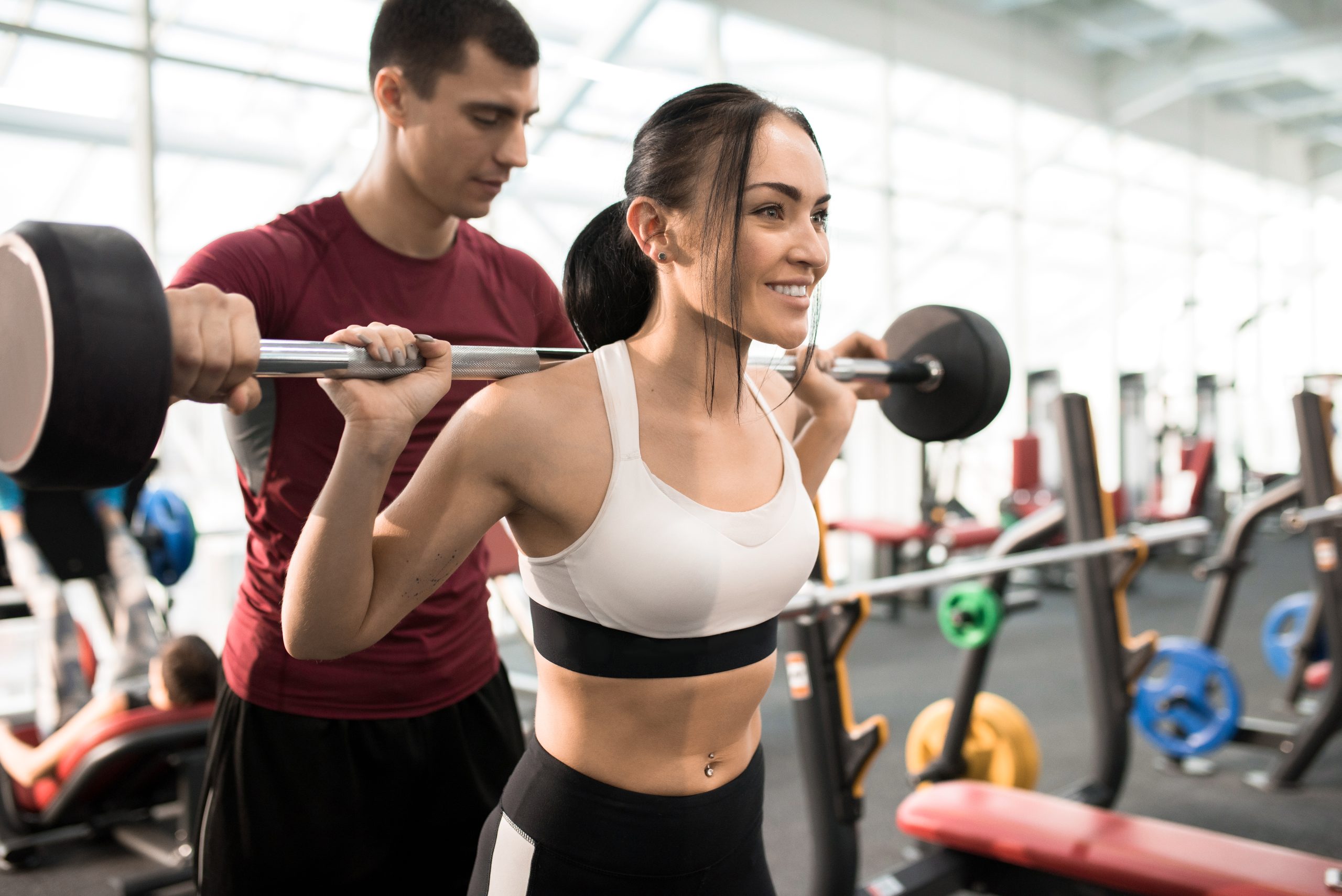
Strength and conditioning can bring to mind heavy barbells, big muscles, tire flips, and exhausting workouts. Those can all be forms of strength training, but they aren’t the only way to build strength. What strength looks like should depend on what you’re asking your body to do.
Strength Is More Than Heavy Weight
Strength isn’t only about how much weight you can lift. It can mean controlling your body through a large range of motion, maintaining balance on one leg, producing force quickly, absorbing force during a landing, or staying stable while another part of your body moves.
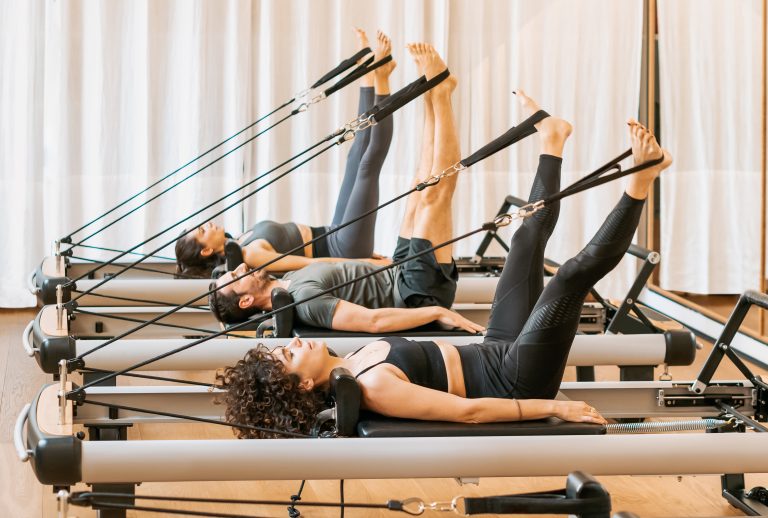
That means an exercise doesn’t have to look extreme to be challenging or effective. A small, controlled movement can require significant strength when it’s targeting a specific muscle, position, or movement pattern. The amount of weight being moved is only one part of the equation.
Train for What Your Body Needs to Do
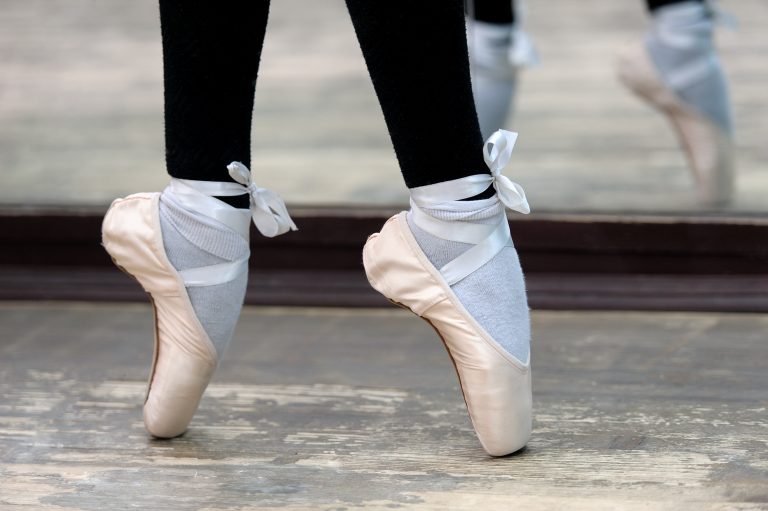
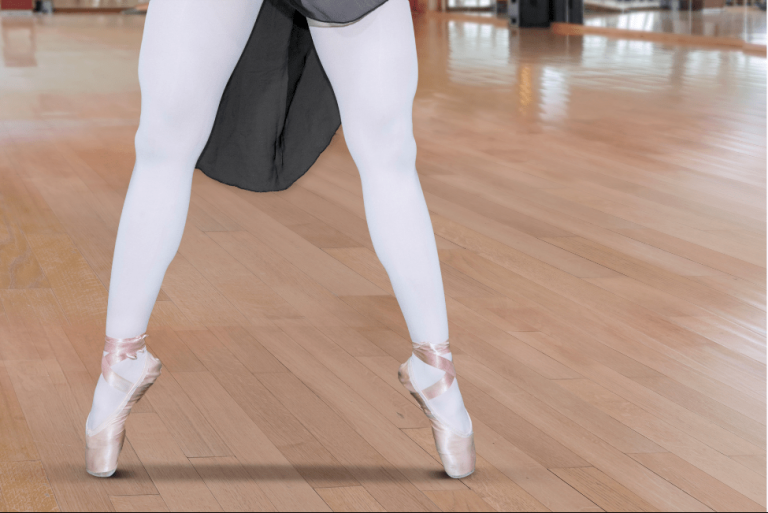
A dancer and a football player can both be strong, but they may need that strength in very different ways. A dancer may need control at the end of a large range of motion or stability while balancing on one leg. A football player may need to produce force quickly, absorb contact, and repeatedly accelerate and change direction.
The same idea applies outside of competitive sports. A runner, recreational athlete, musician, or someone who simply wants to move comfortably through everyday life has their own physical demands. Training should reflect those demands rather than forcing everyone into the same definition of strength.
More Isn’t Always Better
Adding more weight, more repetitions, or more difficult exercises doesn’t automatically make a training program more effective. An exercise should have a reason for being there.
Sometimes the goal is increasing how much force a muscle can produce. Other times the focus may be control, stability, endurance, balance, or strength in a particular position. The challenge should match the goal instead of simply making the workout harder.
FAQ: Strength and Conditioning
Do I need to lift heavy weights to get stronger?
Not necessarily. Heavier resistance can be an effective way to build strength, but the appropriate amount of resistance depends on your goals, experience, and what you’re training your body to do.
Is strength and conditioning only for athletes?
No. Strength and conditioning principles can be used for athletes, dancers, recreational activities, and everyday movement. The exercises and intensity should reflect the individual and their goals.
Can simple exercises actually build strength?
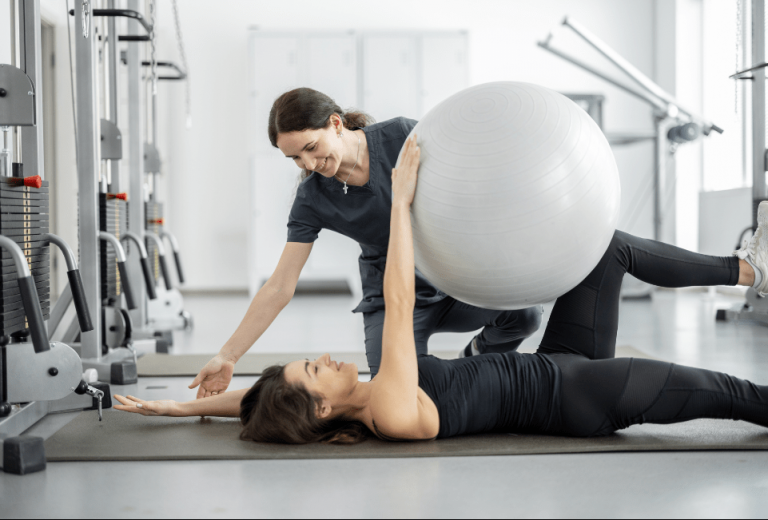
Yes. An exercise doesn’t have to look complicated or extreme to be challenging. Body position, range of motion, resistance, balance, control, and tempo can all affect how demanding an exercise is.
How do I know what type of strength training I need?
That depends on your current abilities, goals, activities, and any limitations or previous injuries. Looking at what you want your body to be able to do can help determine which qualities should be emphasized in training.
Strength With a Purpose
Good strength and conditioning isn’t about making everyone train the same way or making every workout as difficult as possible. It’s about understanding what your body needs to do and choosing training that prepares it for those demands.
Strength doesn’t have to look impressive to be effective. It needs to have a purpose.