Why Dancers’ Feet Are Prone to Injury
Dancers rely on their feet for balance, strength, and precise movement. Learn how the joints of the foot work together and why problems in one area can affect another.
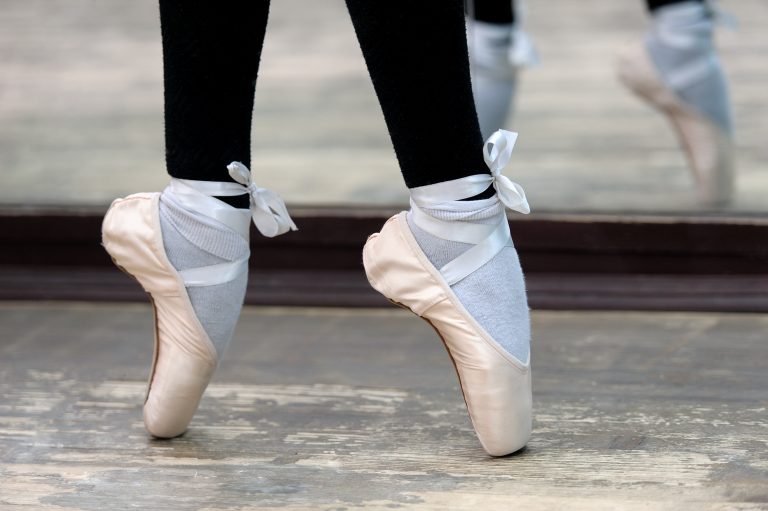
Dancers rely on their feet for balance, strength, and precise movement. Learn how the joints of the foot work together and why problems in one area can affect another.
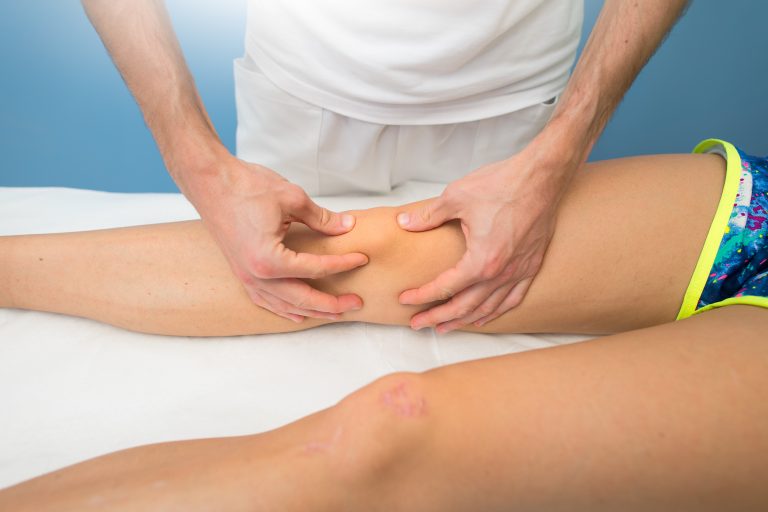
Your kneecap plays an important role in knee movement. Learn about common patellar problems and why physical therapists consider kneecap mobility when evaluating knee pain.
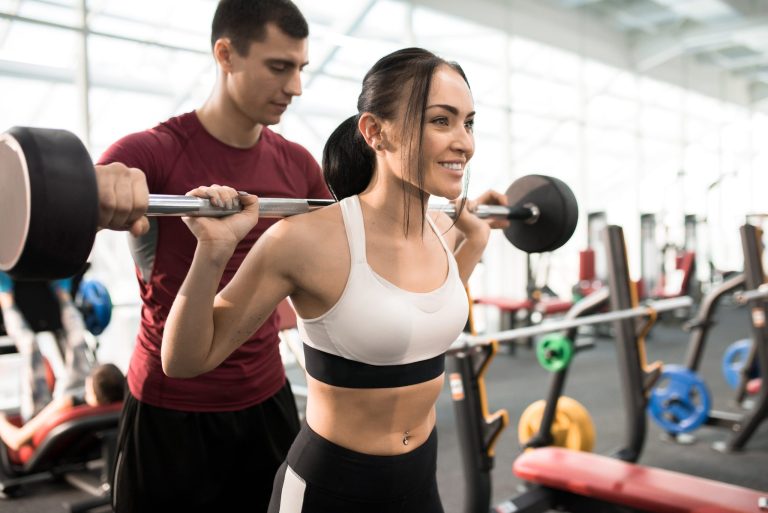
Strength doesn’t always mean heavy weights or extreme workouts. Effective training should prepare your body for the movements and demands that matter to you.
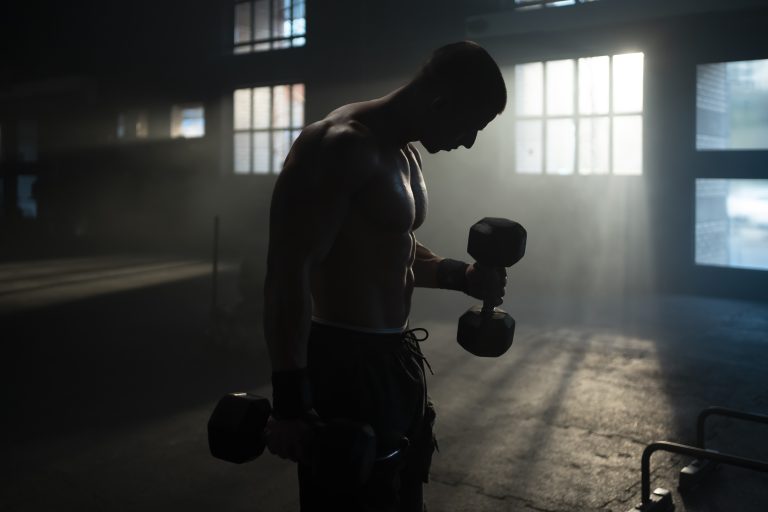
Practicing your sport develops the skills you need to compete. Physical training prepares your body for the strength, control, balance, and movement demands behind those skills.
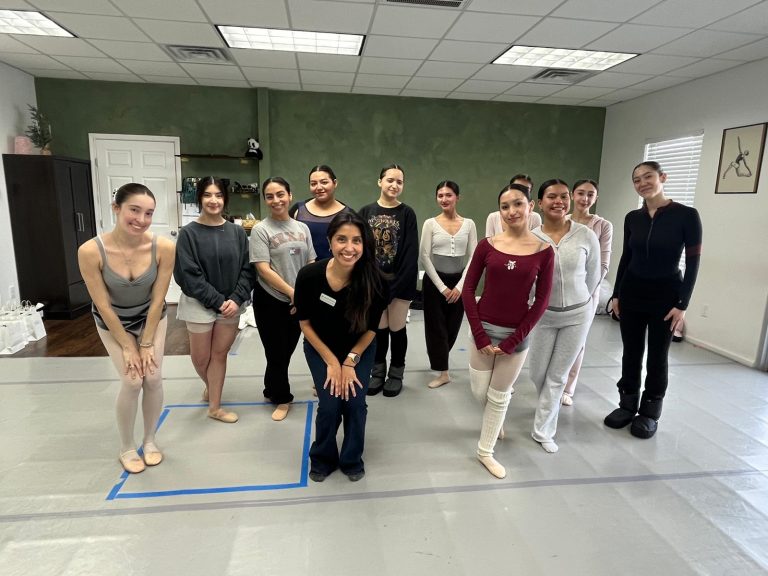
Different dance styles place different demands on the body. Learn why a physical therapist’s own dance background can provide valuable context when treating dancers.
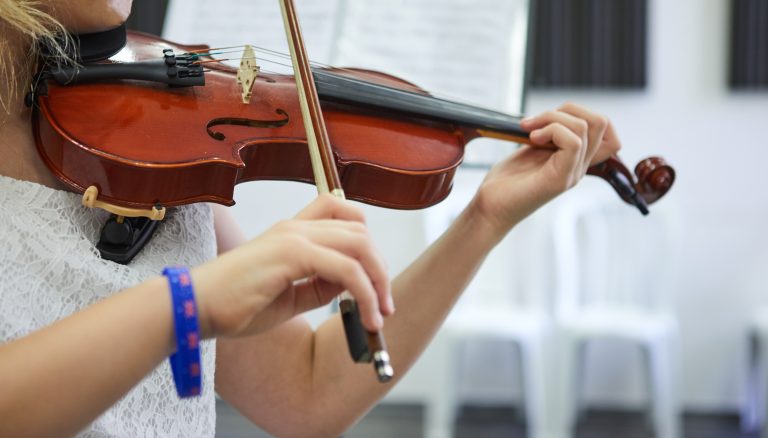
Learning an instrument is physical as well as mental. Learn why young musicians may experience pain, what parents should watch for, and when recurring discomfort deserves attention.
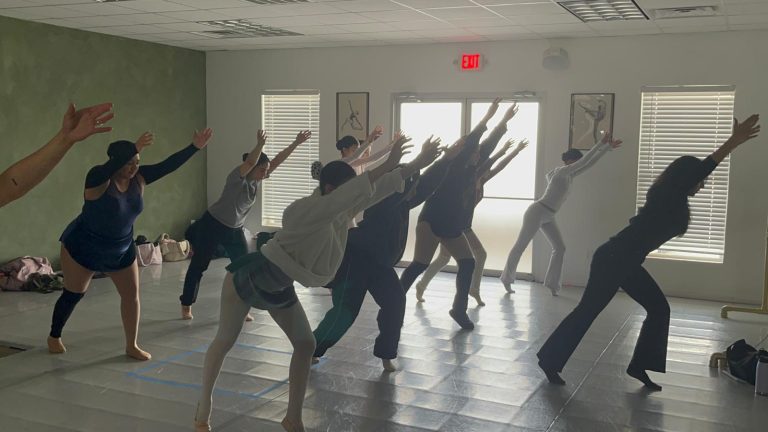
Great dancers train more than their technique. Learn why strength, control, endurance, mobility, and mental preparation help dancers prepare for everything dance demands.
Do you need a referral for physical therapy in Texas? Learn how direct access works, the 30-day rule, and when insurance may require one.
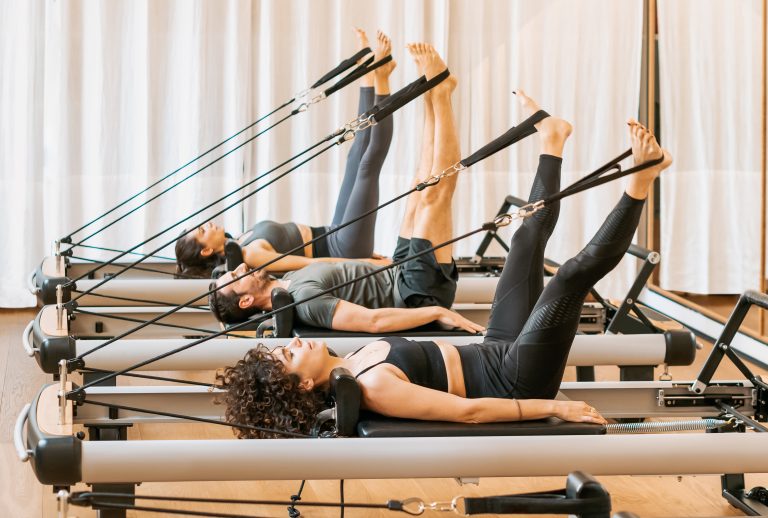
What makes a Pilates reformer different from other exercise equipment? Learn how its springs, moving carriage and adjustable resistance can be used for strength, mobility, stability and physical therapy.
Learn why turnout requires strength and control, why forcing turnout can stress the hips, knees, and ankles, and when dancers should get evaluated.