Why a Physical Therapist’s Dance Background Can Matter to Dancers
Different dance styles place different demands on the body. Learn why a physical therapist’s own dance background can provide valuable context when treating dancers.
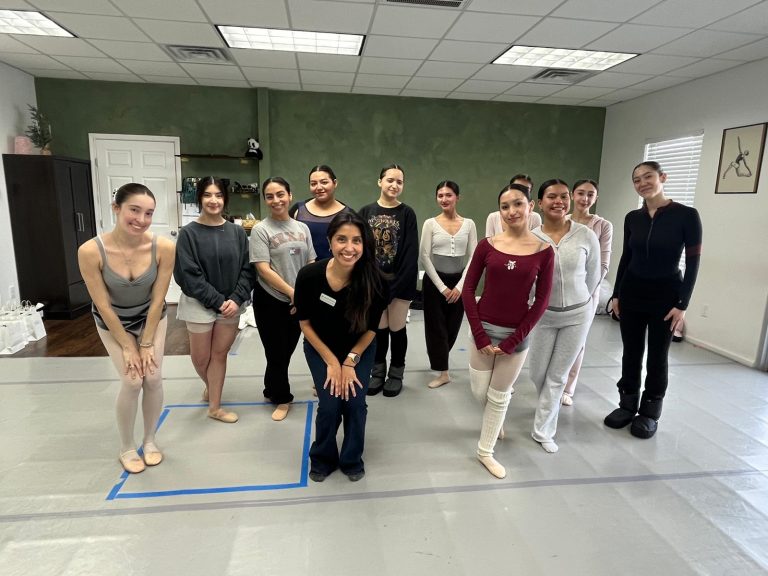
Different dance styles place different demands on the body. Learn why a physical therapist’s own dance background can provide valuable context when treating dancers.
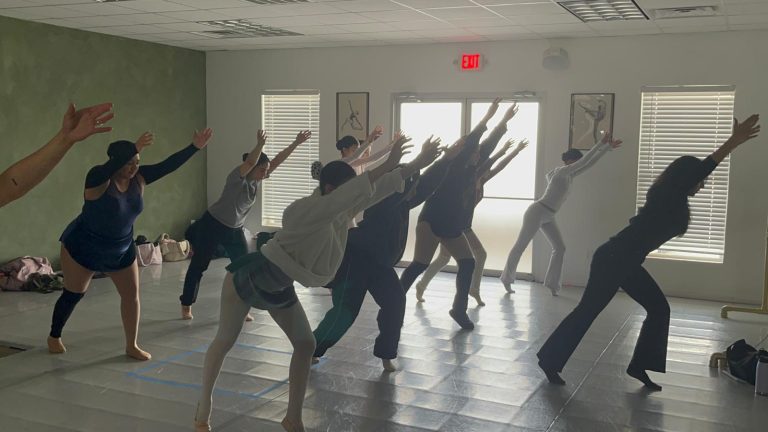
Great dancers train more than their technique. Learn why strength, control, endurance, mobility, and mental preparation help dancers prepare for everything dance demands.
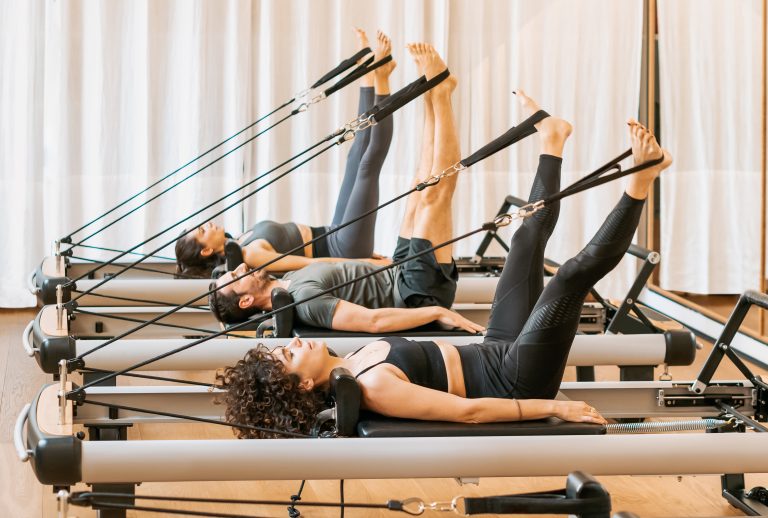
What makes a Pilates reformer different from other exercise equipment? Learn how its springs, moving carriage and adjustable resistance can be used for strength, mobility, stability and physical therapy.
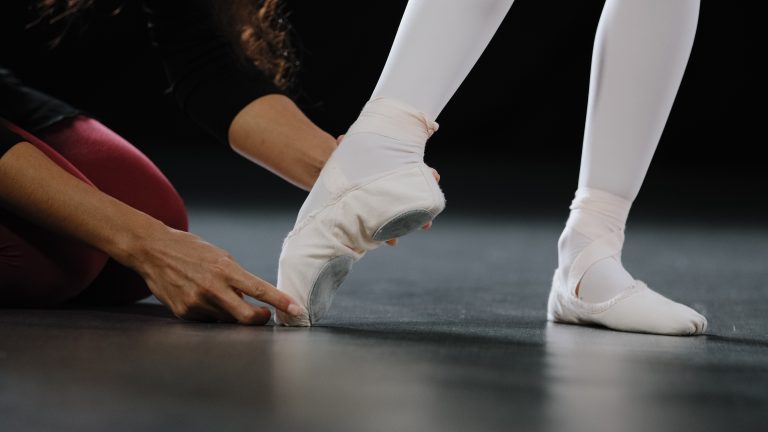
Learn why turnout requires strength and control, why forcing turnout can stress the hips, knees, and ankles, and when dancers should get evaluated.
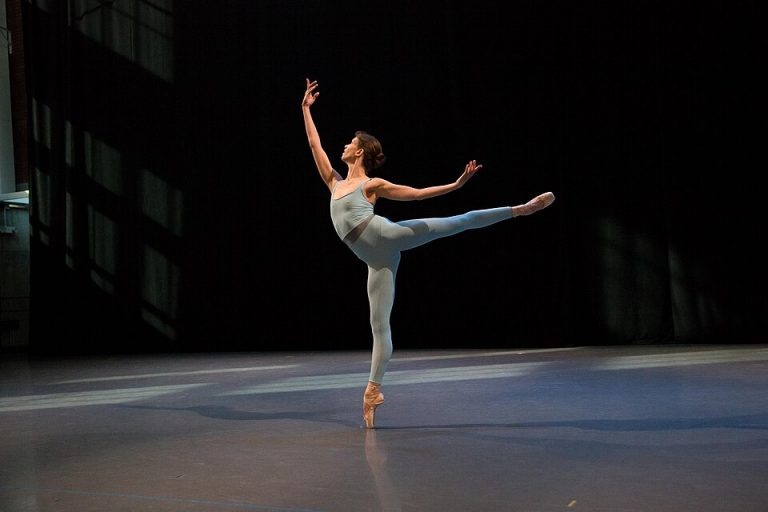
Learn why strength and stability matter for a better arabesque, why flexibility is not enough, and when dance-related pain should be evaluated.
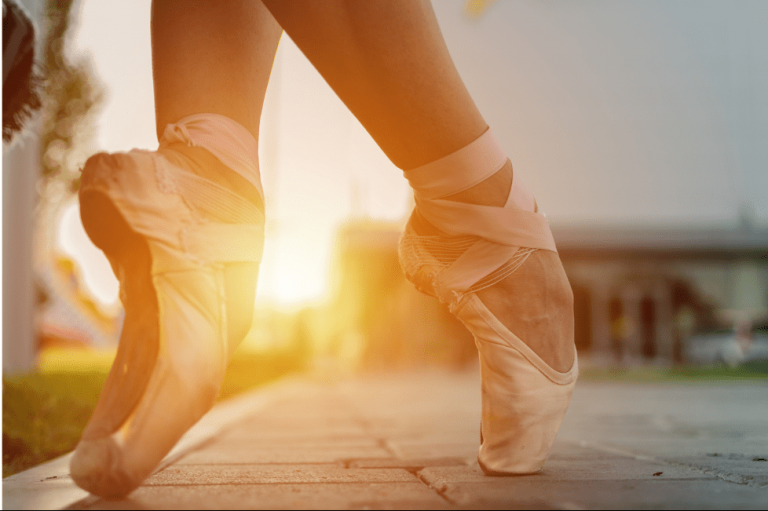
Going into pointe position when doing ballet requires extreme amounts of motion in the ankle for dancers to reach ankle plantar flexion positions. When
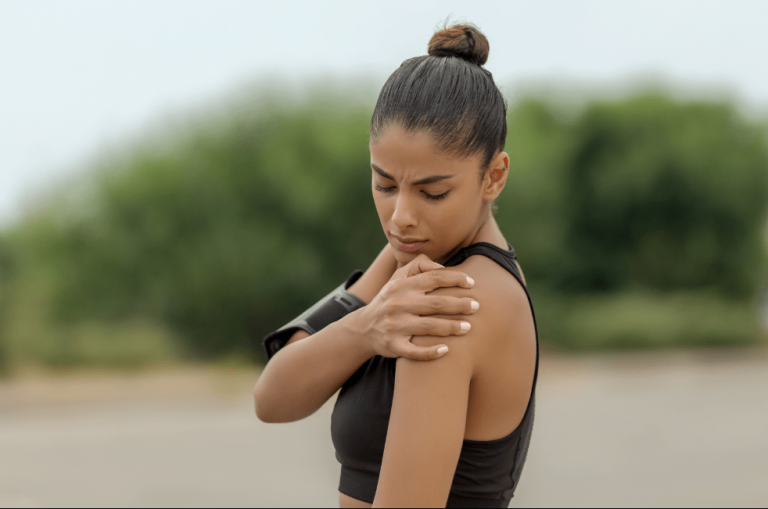
Can be a nuisance when doing port de bra, folklorico skirt work or flamenco. Symptoms can present at side of shoulder, by the scapula or when reaching
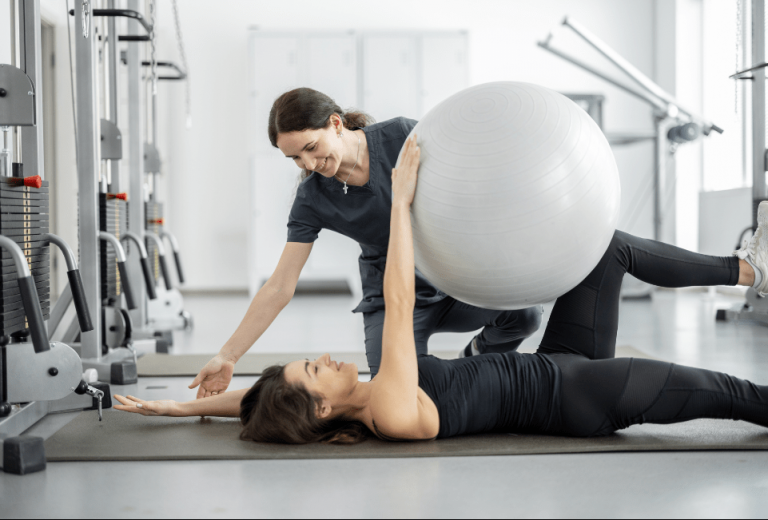
What are the benefits in cross training in dancers? -Improves flexibility -Helps to build muscular strength and endurance -Reduces risk of injury -Helps
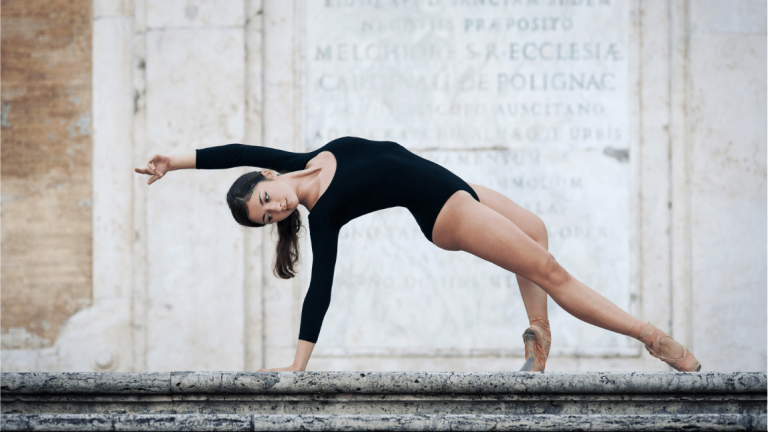
When trying to achieve full external rotation of the hips or hold external rotation of the hips it’s not a good idea to tighten the gluts. WHEN
By understanding which muscles do what, you can give yourself clear images of how you want to achieve dance movements. “SICKLE FOOT” VS