Arabesque Exercises: Strength and Stability for Better Control
The accompanying video demonstrates three arabesque-focused drills: Arabesque Leg Lifts, Leg Lifts in Arabesque on Your Stomach, and Triangle Kicks on Hands and Knees. This article explains why those drills matter and how strength and stability support better movement.
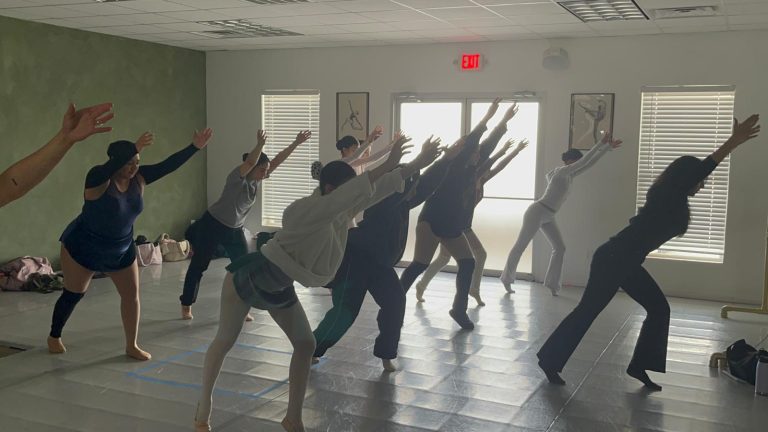
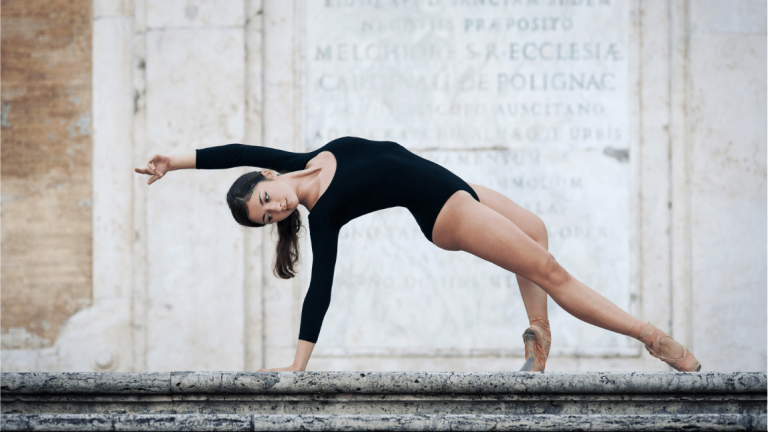
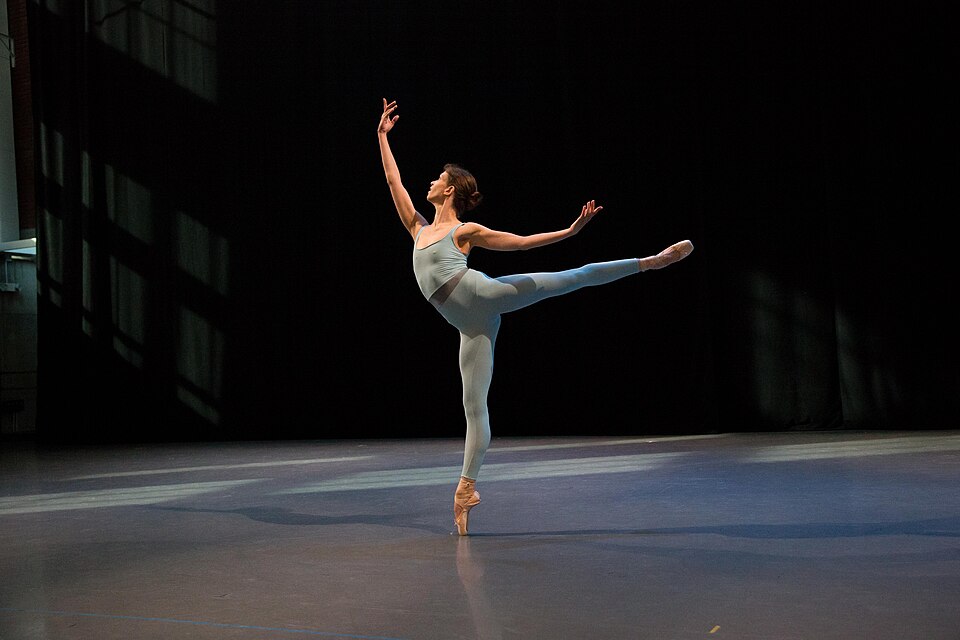
A beautiful arabesque is not just about getting the leg higher. It is about lifting the leg with control, keeping the pelvis steady, supporting the standing side, and moving without forcing the low back or hip.
Flexibility helps a dancer access the position. Strength and stability help the dancer use that position with control. That is the difference between an arabesque that looks placed for a moment and one that supports movement.
Why strength matters in arabesque
In arabesque, the working leg lifts behind the body while the trunk, pelvis, and standing leg stay organized. The glutes, deep hip rotators, hamstrings, core, and back muscles all help share the work.
When strength is limited, dancers often compensate. The low back may arch too much, the pelvis may twist open, the standing knee may wobble, or the shoulders may tense. These changes may create the appearance of height, but they usually reduce control.
Why flexibility is only part of the picture
If a dancer keeps stretching but arabesque still feels shaky or uncomfortable, the missing piece may not be more range. It may be better control of the hip, pelvis, spine, and standing leg.
This matters because arabesque is rarely just a still pose. Dancers move into it, hold it, transition out of it, and repeat it. The body needs to control the shape, not just reach it.
How the video drills help
Arabesque Leg Lifts
Arabesque leg lifts train the working leg to lift with control instead of momentum. The goal is to feel the glute and back line work together while keeping the pelvis as steady as possible.
Leg Lifts in Arabesque on Your Stomach
This drill removes some of the balance demand so the dancer can focus on where the movement is coming from. It can build awareness of hip extension without overusing the low back.
Triangle Kicks on Hands and Knees
Triangle kicks challenge hip control in more than one direction. They help dancers practice moving the leg while the trunk and pelvis stay steady.
What good control should feel like
These exercises should feel controlled, not jammed or forced. A dancer may feel work in the glutes, hamstrings, deep hip muscles, and back line. Sharp hip pain, front-of-hip pinching, or pressure building in the low back should not be ignored.
Quality matters more than height. If the pelvis twists, the back grips, or the movement becomes fast and uncontrolled, lower the range and rebuild from there.
When pain should be evaluated
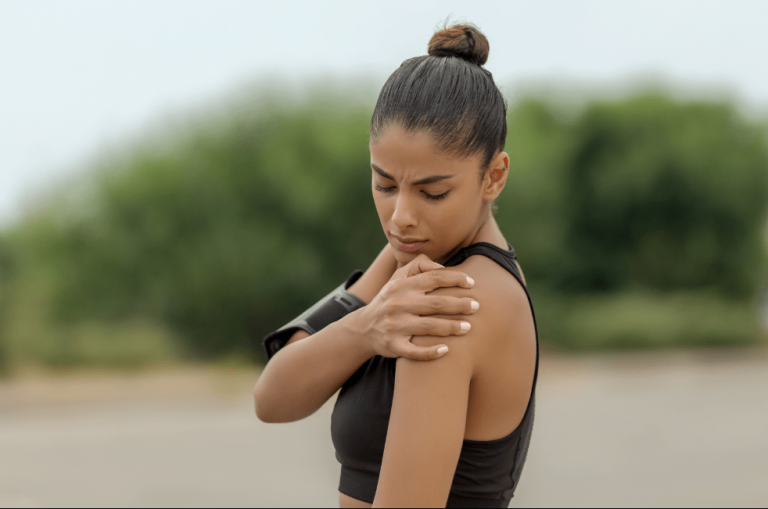
Some muscle fatigue is normal with strength work. Pain is different. A dancer should be evaluated if arabesque causes repeated hip, back, hamstring, or knee pain, or if symptoms linger after class.
A physical therapist who understands dance can look at flexibility, strength, turnout control, pelvic position, and the dancer’s actual movement. That gives a clearer plan than simply stretching more or pushing through discomfort.
FAQ: Arabesque strength and stability
Will these exercises make my arabesque higher?
They may help, but the bigger goal is control. A higher arabesque is only useful if the dancer can achieve it without twisting, gripping, or losing alignment.
Why does my low back work so much in arabesque?
The low back may compensate when the hip and glutes are not contributing enough, or when the dancer is trying to force height. Better hip control can reduce that overload.
Should dancers stretch more to improve arabesque?
Stretching can help when mobility is limited, but it is not the whole answer. Dancers also need strength and stability to use their range safely.
How often should these drills be practiced?
That depends on the dancer’s age, training load, symptoms, and goals. In general, quality and consistency matter more than doing a large number of repetitions.
The takeaway
A stronger arabesque is not just a more flexible arabesque. It is a position the dancer can control. Strength and stability help create cleaner lines, better transitions, and safer movement habits.
If arabesque work is causing pain or feels stuck despite consistent practice, Complete Performance Physical Therapy can help identify what is limiting the movement and build a plan that supports the dancer’s goals.