Great Dancers Train More Than Their Technique
Dancers spend countless hours working on technique. They practice combinations, repeat choreography, refine positions, and work to make difficult movements look effortless. All of that time in the studio matters, but practicing the movements is only part of preparing to perform them.
Dance places significant demands on the entire body. Strength, balance, coordination, mobility, endurance, and control all have to work together, often through large ranges of motion and under fatigue. Preparing for those demands means training more than the steps themselves.
The goal isn’t to replace dance training. It’s to prepare the body to handle everything dance asks of it.
Practicing Dance and Training Your Body Aren’t the Same Thing
Dance class is where dancers develop their craft. It’s where they learn technique, timing, choreography, musicality, and the countless details that turn movement into performance.
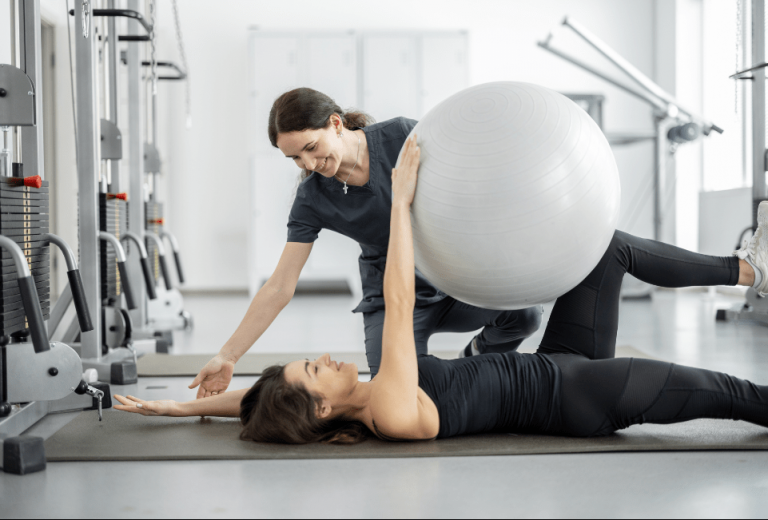
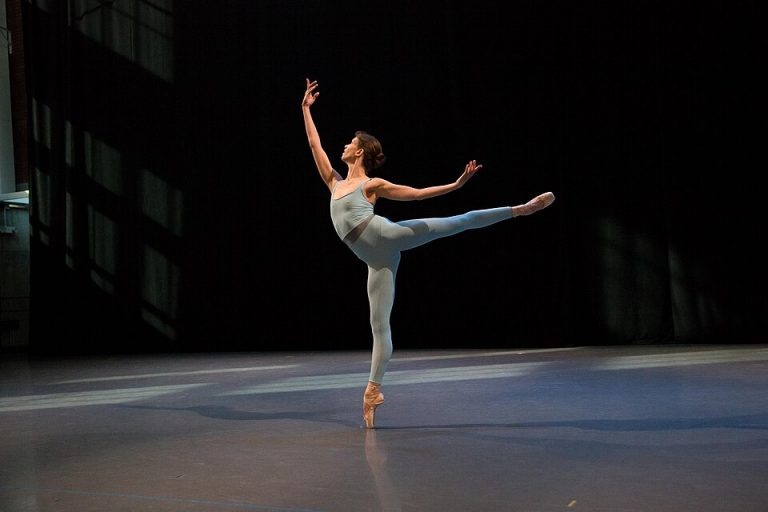
Physical training has a different purpose. Strength and conditioning can target the physical qualities behind those movements. A dancer may practice an arabesque hundreds of times, for example, but additional training can focus specifically on the hip, trunk, and supporting-leg strength needed to control that position.
The same idea applies throughout dance. Instead of simply repeating a difficult movement and hoping the body adapts, training allows dancers to identify the physical demands behind that movement and work on them directly.
Dance Requires More Than Flexibility
Flexibility is an obvious part of dance, but being able to reach a position doesn’t necessarily mean a dancer can control it.
Large ranges of motion also require strength and stability. A dancer needs to be able to control the hip and pelvis while lifting a leg, maintain alignment while landing, stabilize through turns, and continue producing quality movement as fatigue builds.
That’s why simply becoming more flexible isn’t always the answer. Developing strength through the ranges a dancer already has can be just as important. The goal isn’t only to get into a position. It’s to have enough control to use that position effectively.
Training for What Dance Demands
A dancer’s training should reflect what their body is actually being asked to do.
That can include lower-body strength for jumping and landing, single-leg stability for balance, trunk strength for control, and muscular endurance for maintaining technique through a long class, rehearsal, or performance.
Training can also expose a dancer to movements and loads in a more controlled setting. Instead of waiting until rehearsal to repeatedly encounter a demanding movement, certain physical qualities can be developed separately and then carried back into dance.
This doesn’t mean every dancer needs the same workout. A young dancer building foundational strength has different needs from an experienced dancer preparing for an intensive performance schedule. Training should reflect the dancer’s age, experience, current abilities, and the demands being placed on them.
Can Strength Training Help Reduce Dance Injuries?
No training program can prevent every injury. Dance involves repetition, high physical demands, fatigue, and sometimes unpredictable situations. Even a well-prepared dancer can get hurt.
What training can do is help prepare the body for the forces and movements it will regularly encounter. Building strength, control, balance, and endurance can improve a dancer’s ability to tolerate those demands. Training can also address areas where a dancer may lack the strength or control needed for movements they’re performing repeatedly.
This is especially important as training volume increases. Adding more classes, rehearsals, competitions, or performances increases the workload the body has to manage. Physical preparation should grow along with those demands.
Don’t Forget the Mental Side of Training
Performance isn’t purely physical.
Dancers also need concentration, confidence, body awareness, and the ability to continue performing when they’re tired or under pressure. Repeatedly training difficult movements in a controlled environment can help dancers become more comfortable with what their bodies are capable of doing.
There’s value in knowing that you’ve prepared. When a dancer trusts their strength, understands their movement, and has practiced controlling their body under challenging conditions, they can spend less time worrying about whether their body can execute the movement and more time actually performing.
The goal is for the physical preparation to support the artistry rather than compete with it.
Training Should Support Dance, Not Replace It
Strength and conditioning aren’t substitutes for dance class, and dancers shouldn’t train like powerlifters, runners, or other athletes simply because those approaches work well for someone else.
The best training supports the movements and demands that matter to the dancer. Sometimes that means building strength. Other times it may mean improving control, balance, endurance, or mobility.
What a dancer needs can also change throughout the year depending on performance schedules, training volume, growth, previous injuries, and other factors. That’s where individualized training can become valuable. Instead of simply doing more exercise, the goal is to identify what the dancer needs and train with a purpose.
FAQ: Training for Dancers
Should dancers strength train?
Strength training can be a valuable part of a dancer’s overall preparation. The exercises and resistance should be appropriate for the dancer’s age, experience, goals, and current abilities.
Will strength training make a dancer less flexible?
Strength and flexibility don’t have to work against each other. Dancers can develop strength while maintaining the mobility required for dance, and strength through larger ranges of motion can help dancers better control the flexibility they already have.
Can strength training prevent dance injuries?
No training program can guarantee that an injury won’t happen. Appropriate strength and conditioning can, however, help prepare the body for the physical demands of dance and may help reduce certain injury risks.
How often should dancers do strength and conditioning?
There isn’t one schedule that’s appropriate for every dancer. Age, dance schedule, experience, performance demands, recovery, and current physical condition all matter. Training should complement dance rather than simply adding more workload to an already demanding schedule.
Prepare the Dancer, Not Just the Dance
Great performances are built through countless hours of practice, but dancers are asking their bodies to do extraordinary things during those hours.
Technique prepares the movement. Physical training prepares the person performing it.
When strength, control, endurance, mobility, and mental preparation support the technique a dancer has worked so hard to develop, performing can become less about fighting to execute the movement and more about expressing it.
That’s ultimately the goal: a body and mind prepared for everything dance demands.