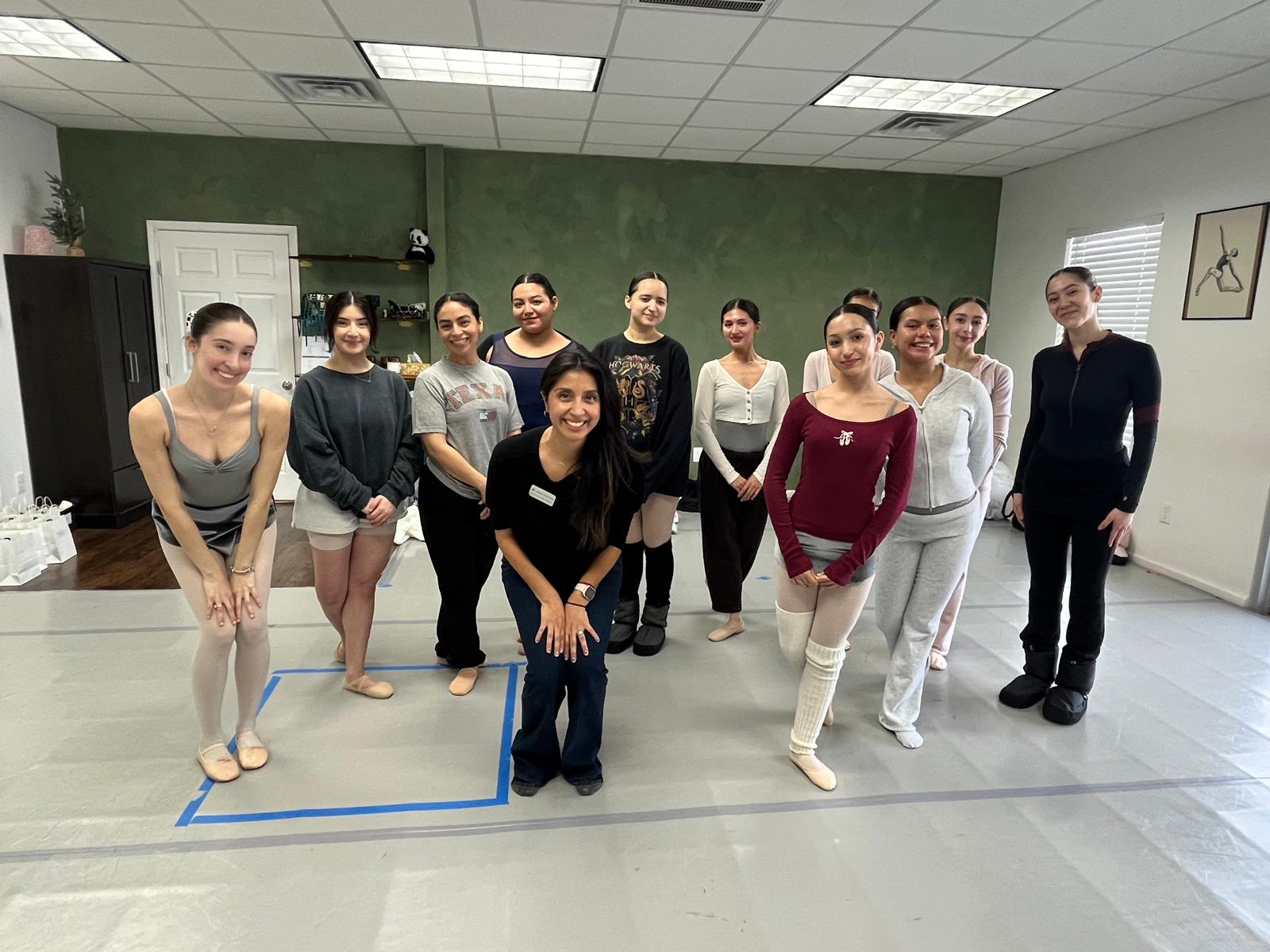
Why a Physical Therapist’s Dance Background Can Matter to Dancers
Dance is movement, but not all dance asks the body to move in the same way. Ballet, contemporary, hip-hop, breaking, jazz, and other styles each place their own demands on strength, mobility, balance, coordination, control, and endurance.
The individual dancer matters just as much. Their training history, experience, previous injuries, performance schedule, and the movements they are trying to return to can all affect what they need from physical therapy.
That’s why understanding the world a dancer is returning to can add valuable context to their care.
Every Style of Dance Has Different Demands
A ballet dancer and a breaker are both dancers, but their bodies may be asked to do very different things.
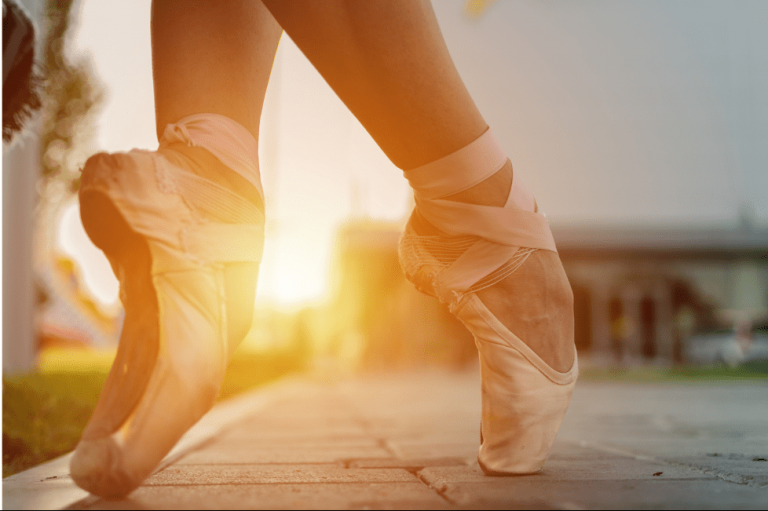
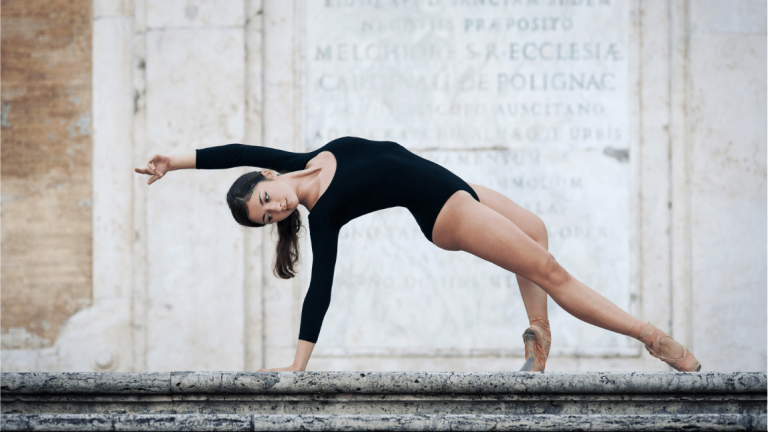
Ballet can involve turnout, pointe work, extensions, repeated jumps, controlled landings, and maintaining precise positions through large ranges of motion. Breaking may involve explosive movement, floorwork, weight-bearing through the upper extremities, freezes, power moves, and rapid transitions between positions.
Other styles bring their own demands. Even within the same style, two dancers may perform different roles, train at different intensities, or have very different physical strengths and limitations.
Understanding those differences matters when the goal is not simply to feel better, but to return to the movements the dancer actually needs to perform.
Treating the Injury Is Only Part of the Picture
Physical therapists are trained to evaluate and treat musculoskeletal injuries and movement problems. When working with a dancer, however, knowing the diagnosis is only part of understanding what that person needs.
Consider two people recovering from the same ankle injury. One may want to return to everyday walking and exercise. A dancer may need to return to repeated jumps, landings, turns, relevé, pointe work, or choreography that places much greater demands on the ankle. The injury may be similar, but the destination is different, and rehabilitation should account for where the patient is trying to go.
When Your Physical Therapist Understands the Movement
Dancers have their own language. Terms such as turnout, passé, relevé, arabesque, and plié describe more than positions. They describe movements that require specific combinations of mobility, strength, balance, and control.
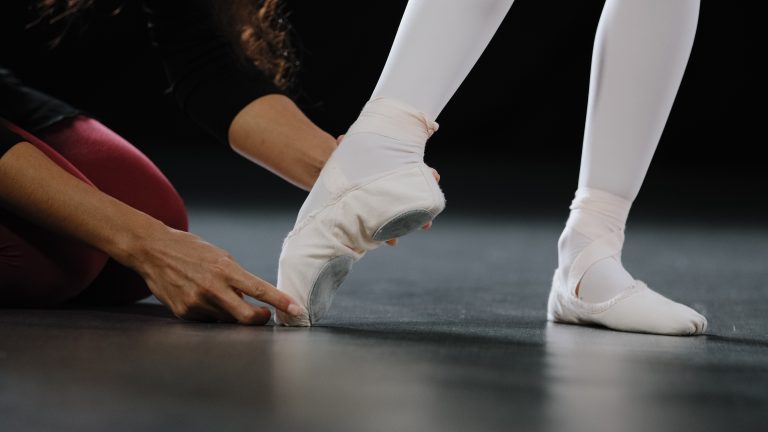
A physical therapist with a dance background may already understand what a dancer means when they describe where a movement feels limited, when their turnout disappears, or why a particular position causes difficulty.
That familiarity can make communication easier. It can also provide additional context when looking at the movement itself.
The benefit isn’t that other physical therapists cannot treat dancers. Physical therapists bring different backgrounds, training, and experiences to patient care. A background in dance simply provides another layer of familiarity with the movements and physical demands involved.
My Background in Dance
My connection to dance began long before I became a physical therapist. I am a formally trained dancer, and my own experiences with performance-related injuries helped shape my interest in physical therapy and eventually led me to work with other dancers.
That background is now part of how I approach dance-specific rehabilitation and performance training. When a dancer talks to me about turnout, an arabesque, a difficult landing, or a movement they need for choreography, I already understand the language and have firsthand familiarity with the environment dancers train and perform in.
My experience as a dancer doesn’t replace my physical therapy education or clinical reasoning. It adds another layer of context that helps me understand not only what hurts, but what the dancer needs their body to do when they return to the studio or stage.
Returning to Dance Means Returning to More Than Daily Activity
Feeling better during everyday activities is important, but that may not be the finish line for a dancer.
A dancer may need to demonstrate strength through large ranges of motion, control a position at end range, repeatedly jump and land, balance on one leg, move quickly between positions, or maintain technique while fatigued.
Returning to those demands often requires progression beyond basic daily function.
The goal is to prepare the dancer for their dance, not simply for life outside the studio.
Understanding the Dancer as an Individual
Even dance-specific experience doesn’t create a single program that works for every dancer.
Age, dance style, training volume, current strength, mobility, previous injuries, upcoming performances, and individual goals all matter. A recreational dancer may have very different needs from someone preparing for a competition, intensive program, or professional performance.
Understanding dance provides context. Understanding the individual dancer determines how that context should be applied.
Good physical therapy should still begin with the person in front of you.
FAQ: Physical Therapy for Dancers
Does a physical therapist need to be a dancer to treat dancers?
No. Physical therapists are trained to evaluate and treat injuries and movement problems across many different populations. A dance background can provide additional familiarity with dance terminology, movements, training demands, and the environment dancers are trying to return to.
Why does dance-specific experience matter?
Dance can require combinations of strength, mobility, balance, coordination, and control that may be very different from everyday activity. Familiarity with those demands can provide useful context when evaluating movement and planning a return to dance.
Is rehabilitation different for every style of dance?
It can be. Different styles place different demands on the body, and individual dancers also vary in their training, experience, injuries, and goals. Rehabilitation should reflect what that particular dancer needs to return to.
When should a dancer see a physical therapist?
Pain that persists, keeps returning, changes how a dancer moves, or interferes with class, rehearsal, or performance is worth evaluating. A dancer may also benefit from evaluation when returning to dance after an injury or when a movement limitation is affecting their ability to train.
Know the Dance. Know the Dancer.
Every style of dance is different, and every dancer brings a different body, history, and set of goals into the studio.
Physical therapy should recognize those differences. Understanding the injury matters, but so does understanding what the dancer needs their body to do when they return to class, rehearsal, or performance.
For dancers, having a physical therapist who understands that world can add valuable context to the process.