Pilates Reformer Benefits: What Makes the Reformer Different?
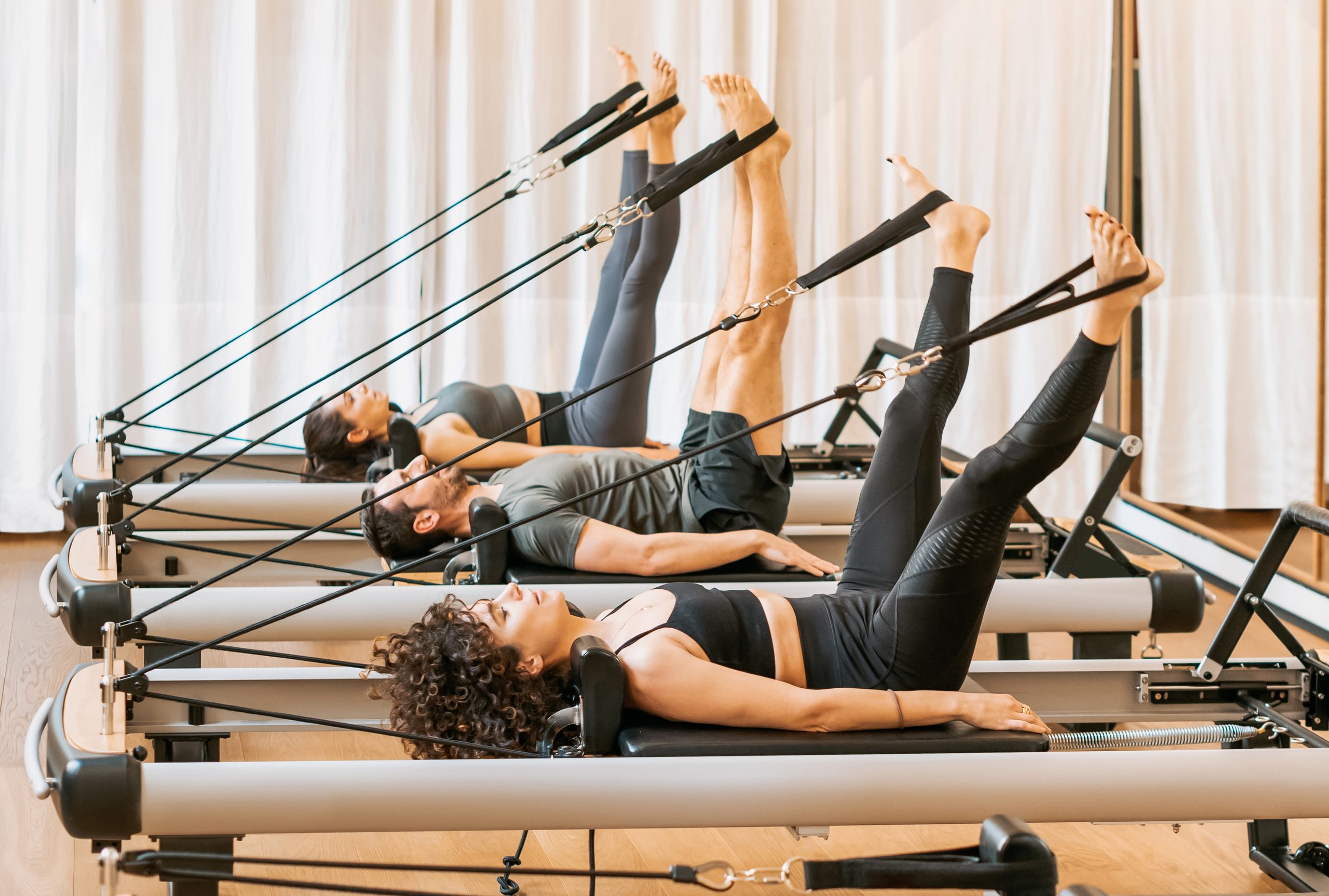
If you’ve ever seen a Pilates reformer, you’ve probably wondered what makes it different from all the other exercise equipment at a gym. At first glance, it looks relatively simple: a platform, some springs, straps and a footbar. But that combination allows the reformer to be used for everything from strength and mobility to balance and controlled movement.
That’s also what makes it useful in physical therapy. Instead of being limited to one exercise or one type of resistance, the reformer can be adjusted and used in different positions depending on what someone is working on.
Where Did the Pilates Reformer Come From?
The reformer dates back to Joseph Pilates and the development of his exercise method in the early 20th century. Pilates experimented with spring-based resistance as part of his approach to exercise and eventually developed equipment built around the same idea.
The reformer that evolved from that work uses springs attached to a moving carriage to create resistance and assistance during exercise. That basic concept is still at the heart of modern reformers: the springs and moving carriage change how your body has to produce and control movement.
What Makes a Pilates Reformer Different?
The biggest difference is that the surface underneath you can move. On many traditional strength machines, the equipment guides you through a fixed path. With free weights, you move the weight through space. On a reformer, you’re often controlling your body and a moving carriage at the same time.
That creates some interesting possibilities. The springs can provide resistance as you push or pull, but they can also provide assistance. Changing the springs changes how much help or resistance you receive.
You can also use the reformer lying down, sitting, kneeling or standing. Straps can be attached to the hands or feet, and the footbar provides another surface to push against. That means one piece of equipment can be configured for a surprisingly wide variety of movements.
Strength Through Movement
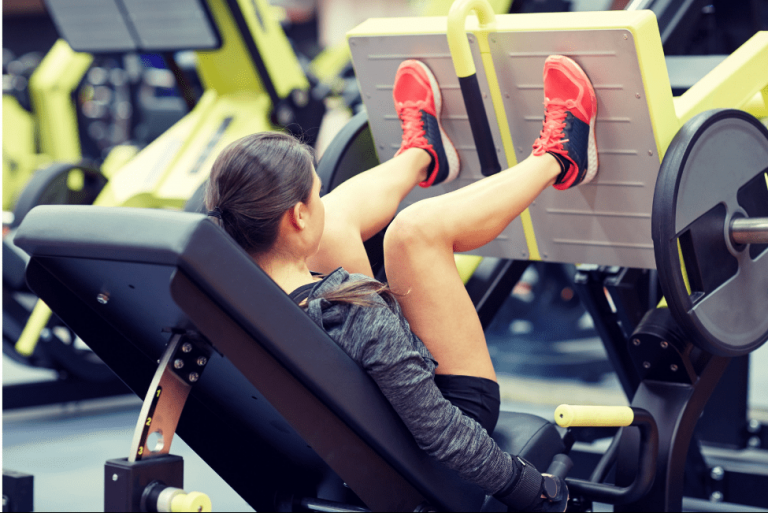
One of the reformer’s biggest advantages is the ability to add resistance while moving through a controlled range of motion. Consider a traditional leg press. It’s excellent for building lower-body strength, but you’re generally sitting in one position and pushing along the path of the machine.
On a reformer, a lower-body exercise might also require you to control the position of your pelvis, stabilize your trunk and manage the movement of the carriage while your legs are working. That doesn’t make one exercise better than the other. They’re simply training different things, and the reformer gives us another way to combine strength with control.
Resistance Can Also Provide Assistance
This is one of the more interesting features of the reformer. Resistance normally makes us think about making an exercise harder. Springs can certainly do that, but depending on the exercise and setup, they can also help someone complete a movement.
That can be useful when a movement is currently difficult to perform against full body weight. As strength and control improve, the exercise can be changed by adjusting the springs, range of motion, body position or movement itself. That gives a physical therapist many ways to progress an exercise without necessarily having to switch to an entirely different piece of equipment.
Why Use a Reformer in Physical Therapy?
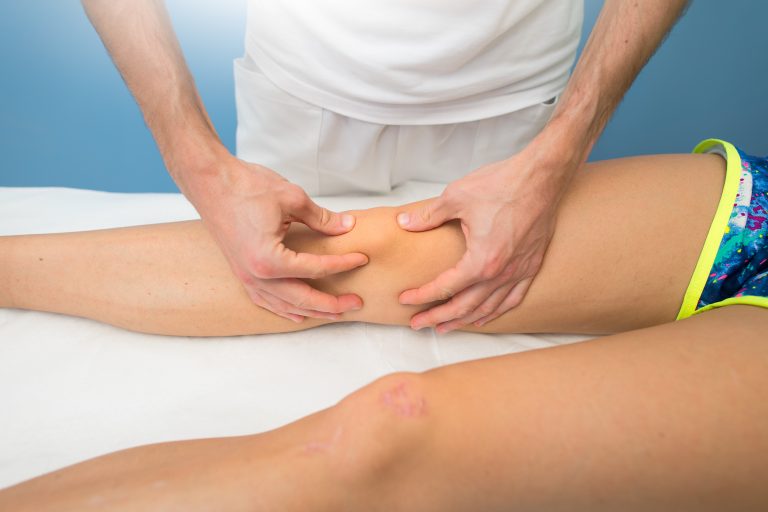
Physical therapy rarely comes down to one exercise or one machine. The goal is to choose exercises that address what a particular person needs. The reformer simply gives us more options.
Depending on the person and the exercise, it can be used to work on strength, mobility, stability, coordination and movement control. The adjustable springs also allow resistance to be changed as someone progresses.
Most importantly, the reformer doesn’t decide the exercise. The therapist does. The exercise, resistance, range of motion and body position can all be selected based on what the patient is trying to improve.
Why Can the Reformer Be Useful for Dancers?
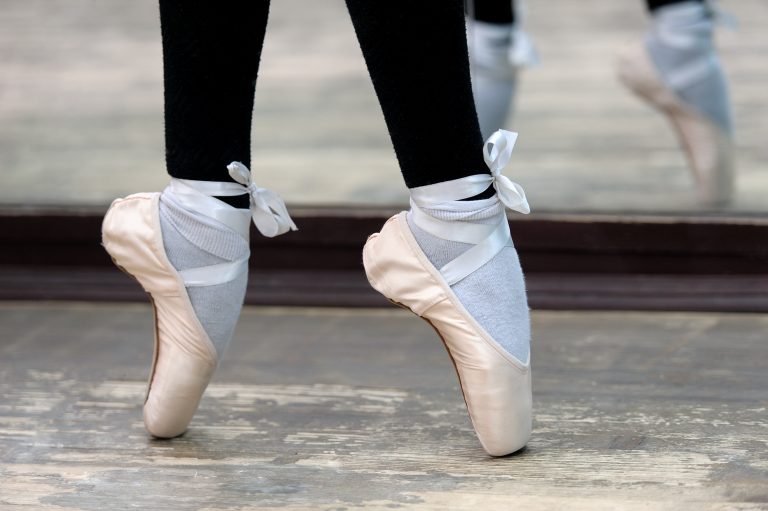
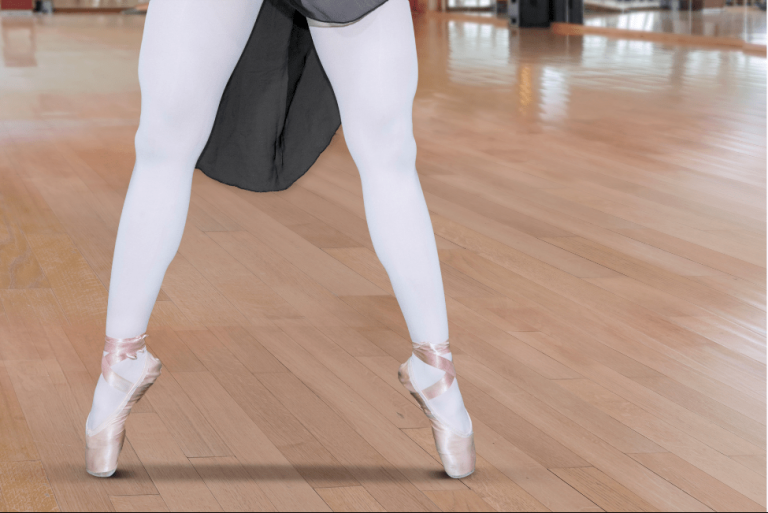
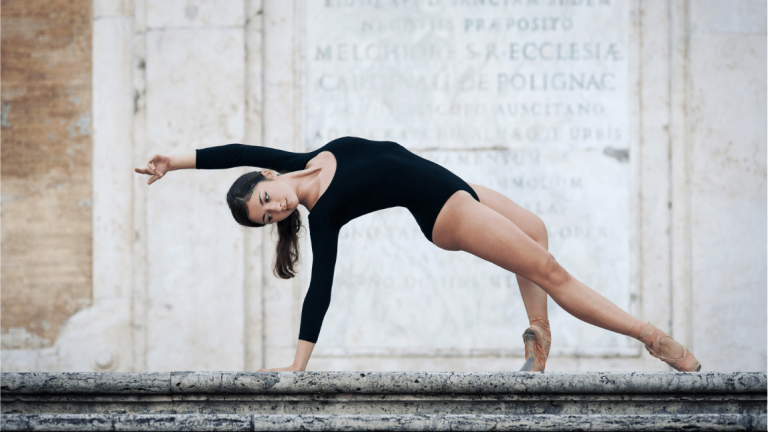
Dancers are a particularly good example of why strength and range of motion sometimes need to be trained together. Dance frequently requires large ranges of motion, but reaching a position is only part of the challenge. A dancer also has to control that position.
The reformer can provide resistance while a dancer moves through those larger ranges. Exercises can challenge hip strength, trunk control, coordination and stability without simply focusing on becoming more flexible. It can also be adjusted for different positions and movement patterns, which gives a physical therapist another way to work on the specific demands a dancer encounters in training and performance.
For dancers, the goal isn’t simply more range. It’s having the strength and control to use the range they already have.
Is the Pilates Reformer Right for Everyone?
The reformer can be adapted to many ability levels, but that doesn’t mean every exercise is appropriate for every person. Someone recovering from an injury may use it very differently from an experienced dancer or athlete. Even two people with similar symptoms may need completely different exercises.
That’s why the equipment itself is only part of the equation. What matters is how it’s being used and whether the exercise fits the person’s current needs and goals.
FAQ: Pilates reformer
Is Pilates reformer exercise the same as physical therapy?
No. Reformer exercise can be used within physical therapy, but physical therapy includes evaluation, clinical reasoning, education, progression, and a plan based on the person’s needs.
Do I need Pilates experience to use a reformer?
Not necessarily. Exercises can be introduced gradually. In a physical therapy setting, the movement should be taught and adjusted so the patient understands what they are working on.
Can a reformer be used after an injury?
Sometimes, depending on the injury and stage of recovery. The adjustable resistance and guided movement can be helpful, but the exercise must fit the person’s current condition.
Is the reformer only useful for dancers or athletes?
No. Dancers may use it for strength and control through larger ranges of motion, but many patients can benefit from guided movement, progressive resistance, and better coordination.
The Reformer Is Another Tool
There isn’t one machine or exercise that’s right for everyone. What makes the Pilates reformer useful is its versatility. The same piece of equipment can provide assistance, resistance, stability challenges and movement through different ranges and body positions.
In physical therapy, that gives us another way to match exercise to the person rather than forcing the person to fit the exercise. If pain, injury or movement limitations are keeping you from doing the things you want to do, a physical therapy evaluation can help determine what needs to be addressed and which exercises make sense for you.