Tight Lower Back? Your Hips Might Be the Problem
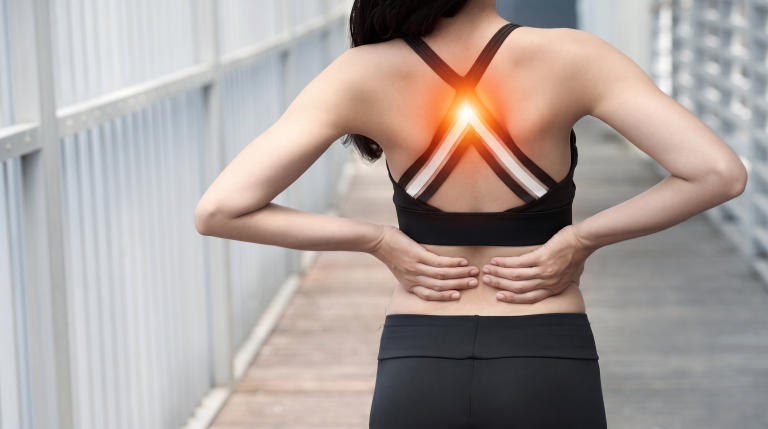
A tight lower back can make everyday movements uncomfortable. You might notice it when bending over, getting out of a chair, exercising, or simply standing after sitting for a while. Stretching your back may provide temporary relief, but if the tightness keeps returning, it may be worth looking at another part of your body: your hips.
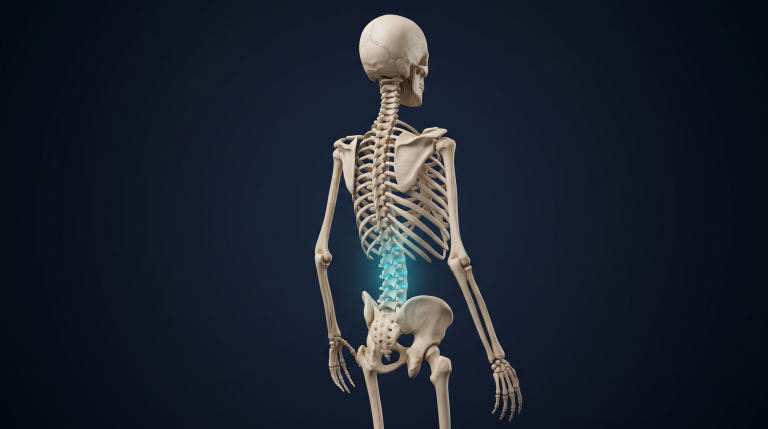
Your hips and lower back work together during many everyday movements. When one area isn’t moving or functioning as well as it could, another area may compensate. That’s one reason the location of your discomfort doesn’t always tell the whole story.
Your Hips and Lower Back Work Together
Think about bending down to pick something up. Ideally, movement is shared between your hips and spine. Your hips allow you to hinge forward, while your lower back contributes to the movement and helps maintain control.
If your hips have limited mobility, you may compensate by moving more through your lower back. This isn’t automatically harmful, but repeatedly relying on one area to perform movements that could be shared across several joints may contribute to discomfort.
The same principle can apply when walking, squatting, climbing stairs, or participating in sports. How your hips move can influence how your lower back moves.
Why Stretching Your Back Might Not Be Enough
When your lower back feels tight, stretching it can seem like the obvious solution. And sometimes stretching feels good. But the sensation of tightness doesn’t necessarily mean those muscles simply need to be stretched.
Muscles may feel tight for several reasons, including fatigue, prolonged positioning, or how your body is managing movement and physical demands.
If limited hip movement or strength is contributing to the problem, repeatedly stretching your lower back may not address what’s causing the discomfort to return.
This is why looking at movement as a whole can be more useful than focusing exclusively on the area that hurts.
Hip Mobility and Hip Strength Are Different
Hip mobility refers to your ability to move your hips through the ranges of motion needed for your activities. Hip strength refers to your muscles’ ability to produce and control force.
Both matter.
For example, someone may have enough flexibility to move their hip into a particular position but lack the strength or control to use that position comfortably during exercise. Someone else may be strong but have difficulty accessing certain movements because of limited mobility.
Improving one without considering the other may leave part of the problem unaddressed.
The goal isn’t to make everyone’s hips as flexible or as strong as possible. It’s to develop the movement and strength needed for their individual activities.
What Can You Do About a Tight Lower Back?
Start by paying attention to when the tightness appears. Does it happen after sitting for a long time? During certain exercises? When bending forward or standing for extended periods?
These patterns may help identify which movements or activities deserve a closer look.
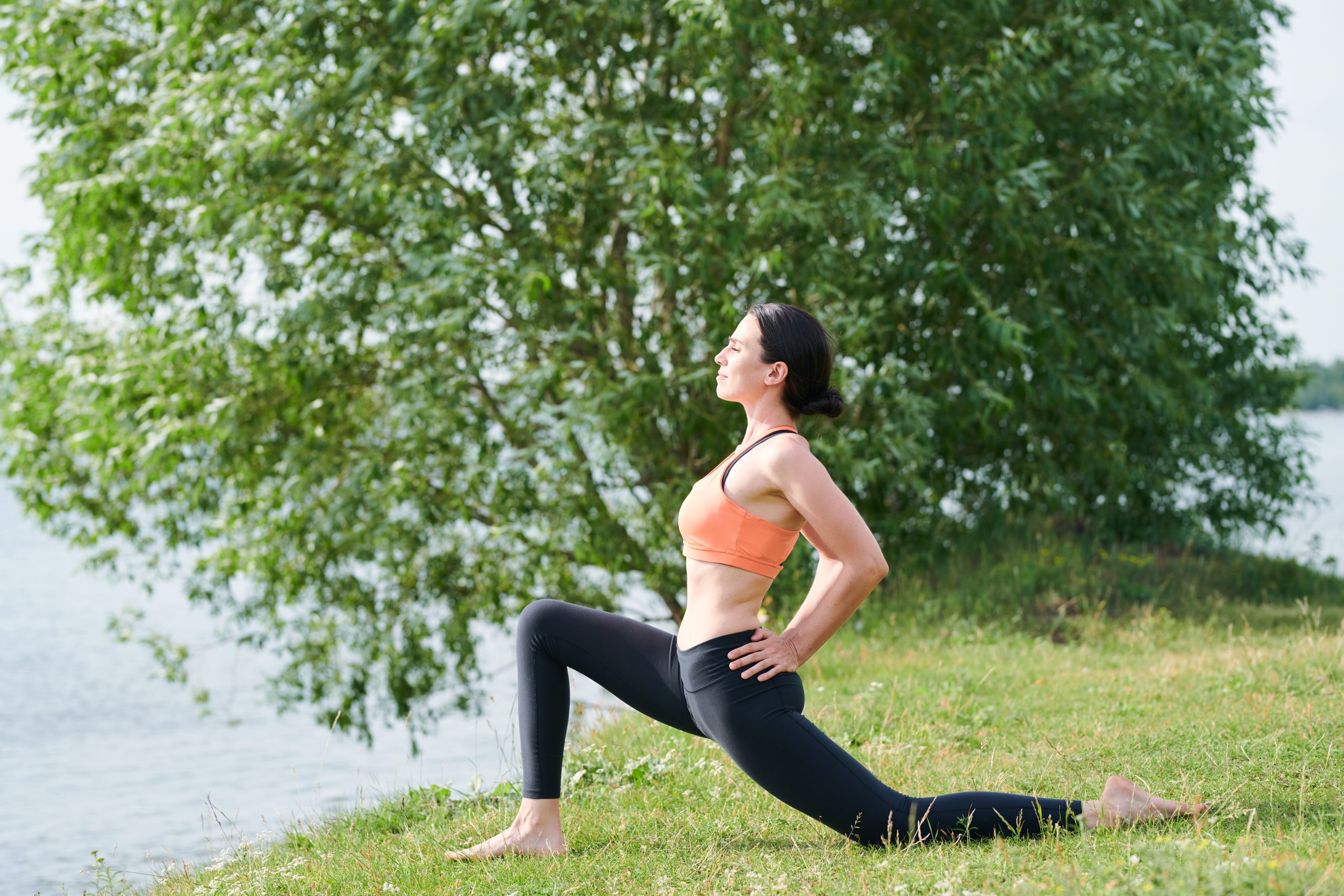
Changing positions regularly, staying physically active, and incorporating appropriate hip mobility and strengthening exercises may help. However, the right approach depends on the individual, and not every case of lower back tightness is caused by the hips.
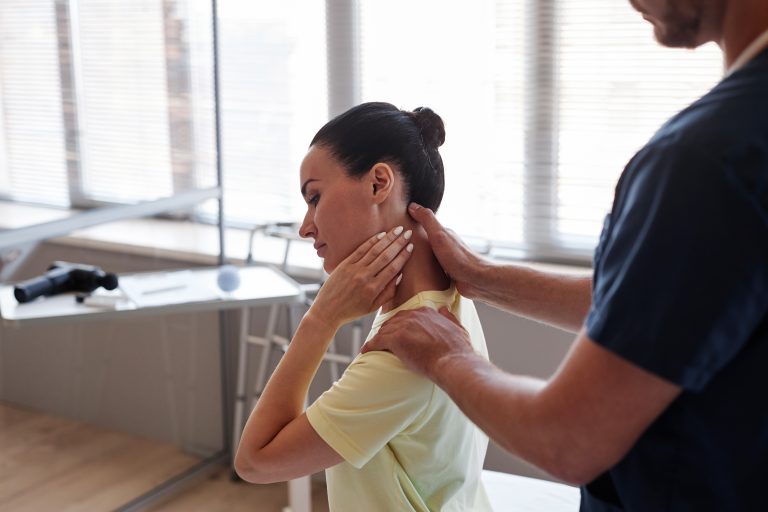
If discomfort persists, keeps returning, or interferes with daily activities, a physical therapist can evaluate how your hips, spine, and surrounding muscles are working together.
Frequently Asked Questions About Lower Back Tightness
Can tight hips cause lower back pain?
Limited hip mobility may contribute to lower back discomfort by changing how movement is distributed between your hips and spine. However, lower back pain has many possible causes, and hip tightness isn’t always responsible.
Should I stretch my lower back or my hips?
That depends on what’s contributing to your symptoms. Stretching may provide relief, but mobility, strength, movement habits, and activity demands should also be considered.
Can weak hip muscles contribute to lower back discomfort?
They can. The muscles around your hips help control movement and support activities such as walking, squatting, and climbing stairs. If they aren’t meeting the demands of an activity, other areas may compensate.
How do I know if my hips are contributing to my lower back tightness?
A physical therapist can assess your hip mobility, strength, movement patterns, and symptoms to help determine which factors may be contributing.
Look Beyond Where It Hurts
Your lower back and hips are part of a connected movement system. When your back feels tight, the solution isn’t always to stretch it more.
Understanding how your hips move and how the surrounding muscles support your activities may help identify a more effective approach.
Sometimes the area that needs attention isn’t the area where you feel the discomfort.