Upper Back Pain: Could Your Rib Joint Be the Cause?
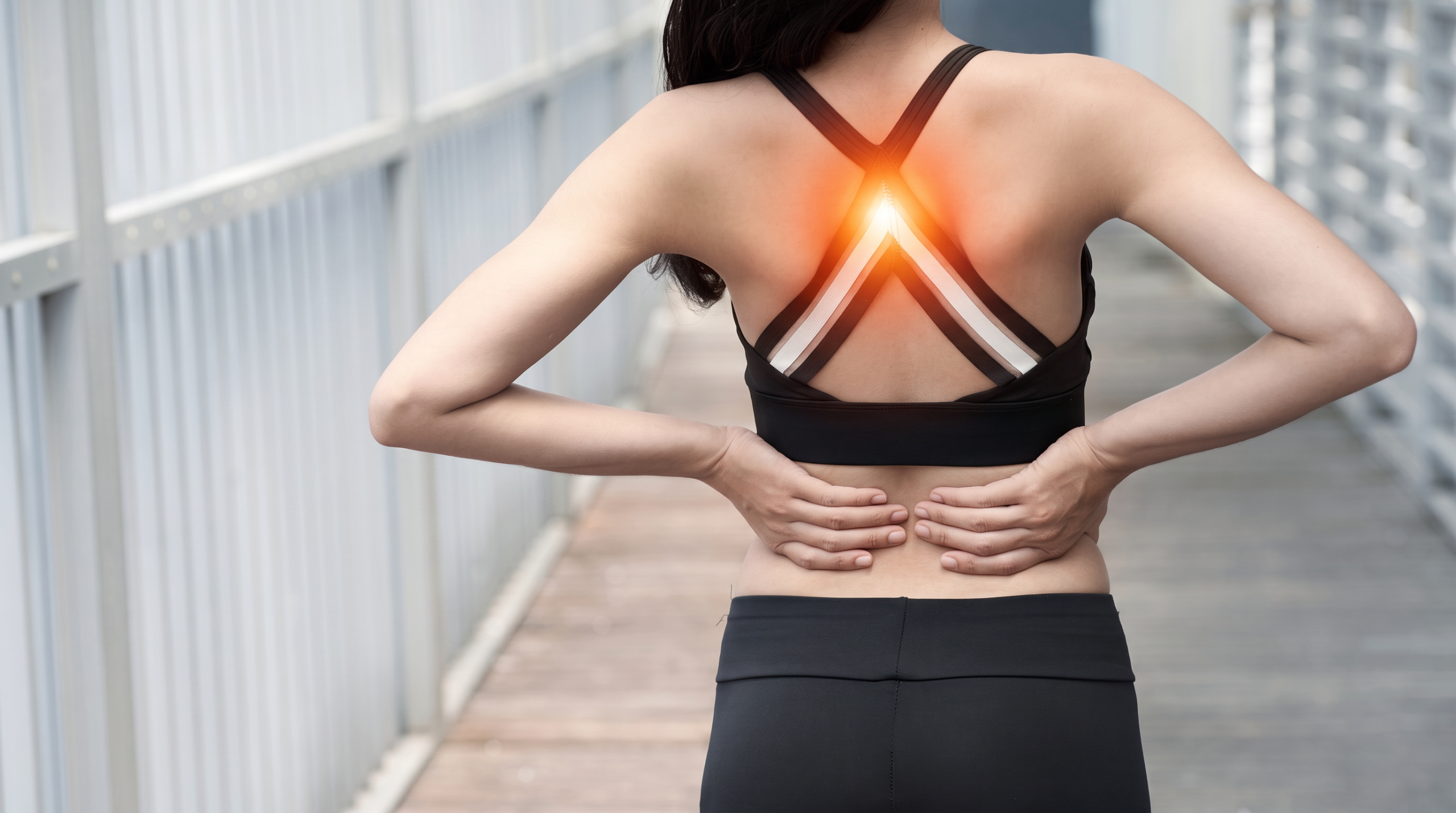
When you experience upper back pain, it’s natural to assume the problem is coming from your spine. However, your ribs, muscles, and nerves can also contribute to discomfort in this area. Understanding where your pain originates is an important step toward finding the right treatment.
The Connection Between Your Ribs and Spine
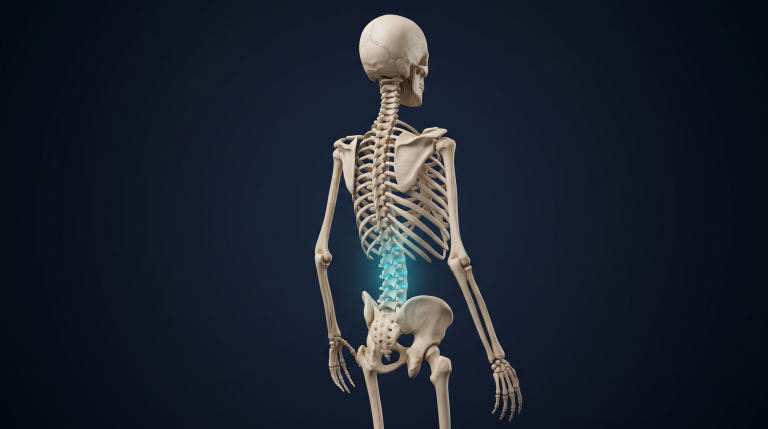
Your upper and middle back contain the thoracic spine, which connects to your rib cage through several small joints.
One of these is the costovertebral joint, where a rib attaches to the spine. These joints help your rib cage move naturally as you bend, twist, and breathe.
When a costovertebral joint becomes irritated or restricted, it may cause discomfort that feels like it’s coming directly from your back.
Signs Your Rib Joint May Be Involved
Rib-related discomfort can sometimes appear during everyday movements, including:
- Side bending: Pain or stiffness when leaning to one side.
- Deep breathing: Discomfort as your rib cage expands.
- Coughing or sneezing: Sharp or localized pain around the upper back.
- Twisting: Restricted movement or discomfort when rotating your torso.
These symptoms don’t automatically mean you have a rib joint problem. Muscles, nerves, and other structures can produce similar symptoms.
Why Finding the Source Matters
Not all upper back pain should be treated the same way.
A restricted rib joint may require a different treatment approach than muscle tightness, nerve irritation, or a problem involving the thoracic spine itself.
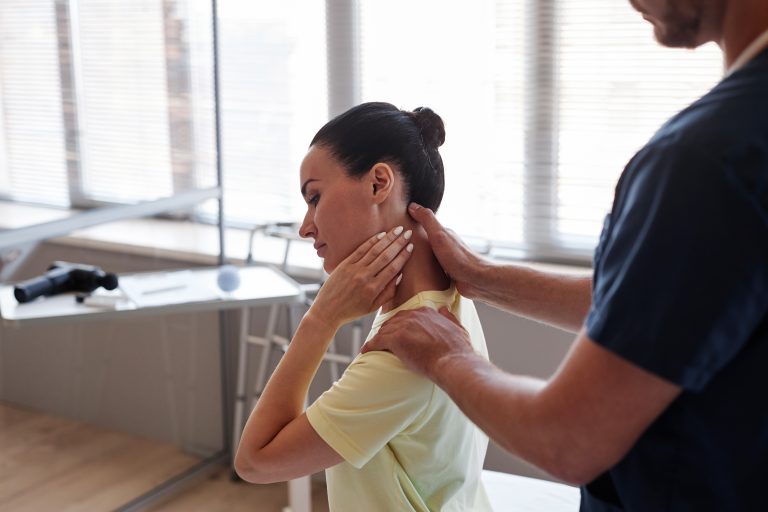
A physical therapist can evaluate your movement, examine the surrounding structures, and help determine which areas may be contributing to your symptoms.
The goal isn’t simply to relieve discomfort temporarily. It’s to address the underlying movement restrictions or other contributing factors so you can return to your normal activities.
Don’t Ignore Persistent Upper Back Pain
If upper back discomfort is limiting your movement or interfering with everyday activities, a physical therapy evaluation may help identify the cause and guide your recovery.
New or unexplained pain with breathing, particularly when accompanied by chest pain, shortness of breath, or dizziness, requires prompt medical evaluation rather than assuming it’s a rib joint issue.
Frequently Asked Questions
Can rib joints cause upper back pain?
Yes. The costovertebral joints connect your ribs to your thoracic spine. Irritation or restricted movement in these joints can sometimes contribute to upper back discomfort.
Why does my upper back hurt when I take a deep breath?
Deep breathing causes your rib cage to expand. Discomfort may involve the rib joints, muscles, or other structures. New or unexplained breathing-related pain should be medically evaluated, especially if accompanied by chest pain or shortness of breath.
Can a rib joint problem cause pain when twisting?
Yes. Your ribs and thoracic spine move together during rotation. Irritation or restricted movement around these joints may contribute to discomfort when twisting.
How can physical therapy help with upper back pain?
A physical therapist can evaluate your mobility, strength, and movement patterns to identify possible contributing factors and develop an individualized treatment plan.
How do I know if my upper back pain is coming from a rib or my spine?
Symptoms alone may not distinguish the cause. A physical therapy evaluation can help identify whether your rib joints, spine, muscles, or other structures may be involved.
Move With Greater Confidence
At Complete Performance Physical Therapy, we focus on individualized care that helps patients understand their symptoms, improve mobility, and move with greater confidence.