Lower Back Pain: Why Gentle Movement Matters
When your lower back hurts, your first instinct might be to stop moving. After all, if something is painful, shouldn’t you rest it?
Not necessarily. One of the most important things I want people to understand is that the spine is remarkably strong. It’s designed to support our bodies through everyday activities, and experiencing back pain doesn’t automatically mean something is damaged or that movement is dangerous.
In many cases, gentle movement can be an important part of recovery.
Your Lower Back Is Built for Strength
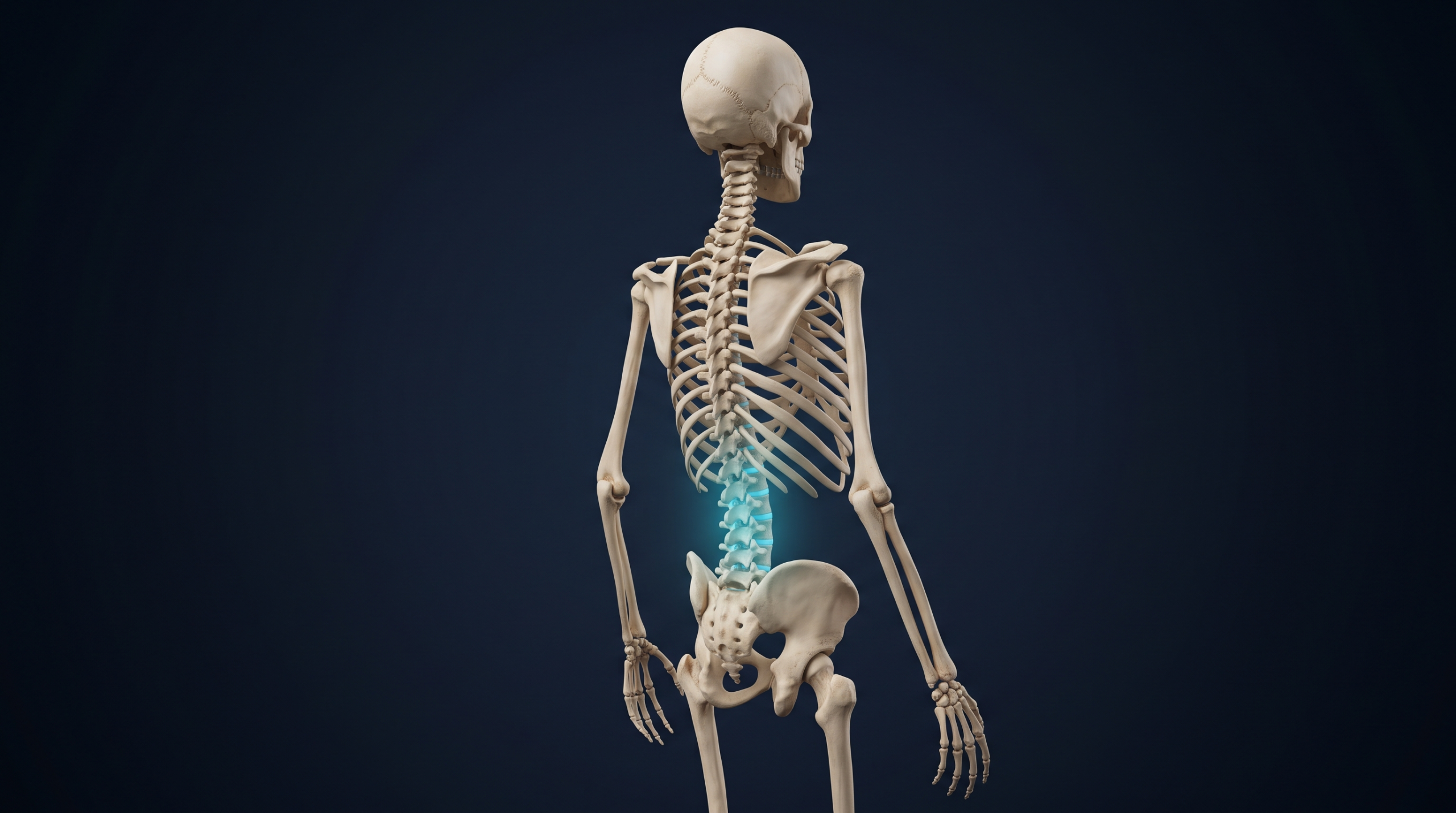
The lumbar spine consists of five vertebrae stacked on top of one another. These bones, along with the discs, muscles, ligaments, and surrounding structures, help support your body’s weight while allowing you to bend, twist, and move.
Think of your lower back like the foundation of a skyscraper. It’s built to manage significant forces while providing both stability and flexibility.
Although the spine is strong, that doesn’t mean it’s immune to injury. However, pain alone doesn’t necessarily indicate structural damage, and avoiding movement entirely can sometimes make recovery more difficult.
Why Movement Matters When Your Back Hurts
When people experience lower back pain, they often become afraid that moving will make things worse. While certain movements may temporarily increase discomfort, prolonged inactivity can contribute to stiffness, muscle weakness, and reduced confidence in movement.
Gentle activity helps maintain circulation, supports normal joint function, and keeps the muscles surrounding the spine engaged. Movement also contributes to the normal exchange of nutrients within spinal discs, which have a limited direct blood supply.
This doesn’t mean you should push through severe pain or force movements that aggravate your symptoms. The goal is to find comfortable, manageable activities that allow you to stay active while your back recovers.
Common Reasons Your Lower Back May Hurt
Lower back pain can develop for several reasons, and not every episode involves a serious injury.
Muscle Strain: Overloading or irritating muscles and other soft tissues can cause soreness, stiffness, and discomfort during movement.
Prolonged Inactivity: Spending extended periods sitting or remaining in one position may contribute to stiffness and discomfort, particularly when activity levels change.
Joint or Disc-Related Pain: Structures within the spine can sometimes contribute to symptoms, although imaging findings don’t always explain why someone experiences pain.
Changes in Physical Activity: Suddenly increasing exercise intensity, lifting demands, or repetitive movements can temporarily exceed what the body is accustomed to handling.
Understanding the factors contributing to your symptoms can help determine which activities and treatments are appropriate.
How Physical Therapy Can Help
When evaluating someone with lower back pain, I look at more than just where the discomfort occurs. I assess how the person moves, their strength and mobility, daily activities, and the movements that make their symptoms better or worse.
Treatment may include gentle mobility exercises, progressive strengthening, movement education, and strategies for returning to normal activities.
One of my goals is to help people regain confidence in their bodies. Rather than avoiding movement out of fear, we work toward understanding which activities are appropriate and how to gradually increase tolerance.
Frequently Asked Questions
Should I rest when my lower back hurts?
Briefly reducing activities that aggravate symptoms can help, but prolonged bed rest is generally not recommended for common, uncomplicated lower back pain. Gentle activity within your tolerance is often beneficial.
Can walking help lower back pain?
Yes. Walking is a low-impact activity that can help maintain mobility and reduce prolonged inactivity. Start with a comfortable distance and gradually increase as tolerated.
Does back pain mean something is damaged?
Not necessarily. Pain can be influenced by multiple factors, and its intensity doesn’t always reflect the amount of tissue damage.
When should I seek help for lower back pain?
Consider an evaluation if pain persists, worsens, or interferes with daily activities. Seek urgent medical attention for new bladder or bowel dysfunction, numbness around the groin, or significant or progressive leg weakness.
Keep Moving With Confidence
Your lower back is built to support movement, not avoid it. While pain can make everyday activities uncomfortable, staying gently active is often an important part of recovery.
The key is finding the right balance between movement and rest while gradually rebuilding strength, mobility, and confidence.
Your spine is stronger than you might think. Don’t let ordinary back soreness convince you that movement is something to fear.