Knee Pain? Don’t Overlook Your Patella
When people experience knee pain, they often think about the muscles, ligaments, or cartilage surrounding the joint. But there’s another important structure that deserves attention: the patella, commonly known as the kneecap. Its position and movement play an important role in how the knee functions, and problems involving the patella can contribute to pain during everyday activities.
Why Is the Patella So Important?
The patella is a small bone located at the front of the knee, embedded within the quadriceps tendon. It helps protect the front of the joint and improves the mechanical efficiency of the quadriceps muscles, which are responsible for straightening the knee.
As the knee bends and straightens, the patella moves along a groove in the femur, or thigh bone. During knee flexion, the patella generally moves downward, while knee extension causes it to move upward. This movement allows the kneecap to work with the surrounding muscles and joint structures as the knee moves.
When patellar movement becomes restricted or its tracking is altered, it may contribute to discomfort and affect how the knee handles certain activities.
Common Problems Involving the Patella
Several conditions can affect the kneecap and surrounding structures. While they can produce similar symptoms, their underlying causes and treatment approaches may differ.
Patellofemoral Pain Syndrome: One of the more common causes of pain around or behind the kneecap. Symptoms often appear during activities such as climbing stairs, squatting, running, or sitting with the knees bent for extended periods. Contributing factors may include training load, muscle strength, and movement mechanics.
Patellar Tendinopathy: Often called jumper’s knee, this condition involves the tendon connecting the patella to the shinbone. It’s particularly common in activities involving repeated jumping, landing, and rapid changes in direction. Pain is typically felt just below the kneecap.
Patellar Instability: The kneecap may shift excessively or partially or completely move out of its normal position. Some people experience a sensation that the knee is giving way, while others may have swelling or pain following a dislocation.
Patellofemoral Osteoarthritis: Changes in the cartilage and other structures between the patella and femur can contribute to pain, stiffness, and difficulty with activities that place greater demands on the knee.
These conditions highlight why identifying the source of knee pain matters. Not every painful knee has the same problem, even when symptoms occur in similar locations.
Why Patellar Movement Matters in Physical Therapy
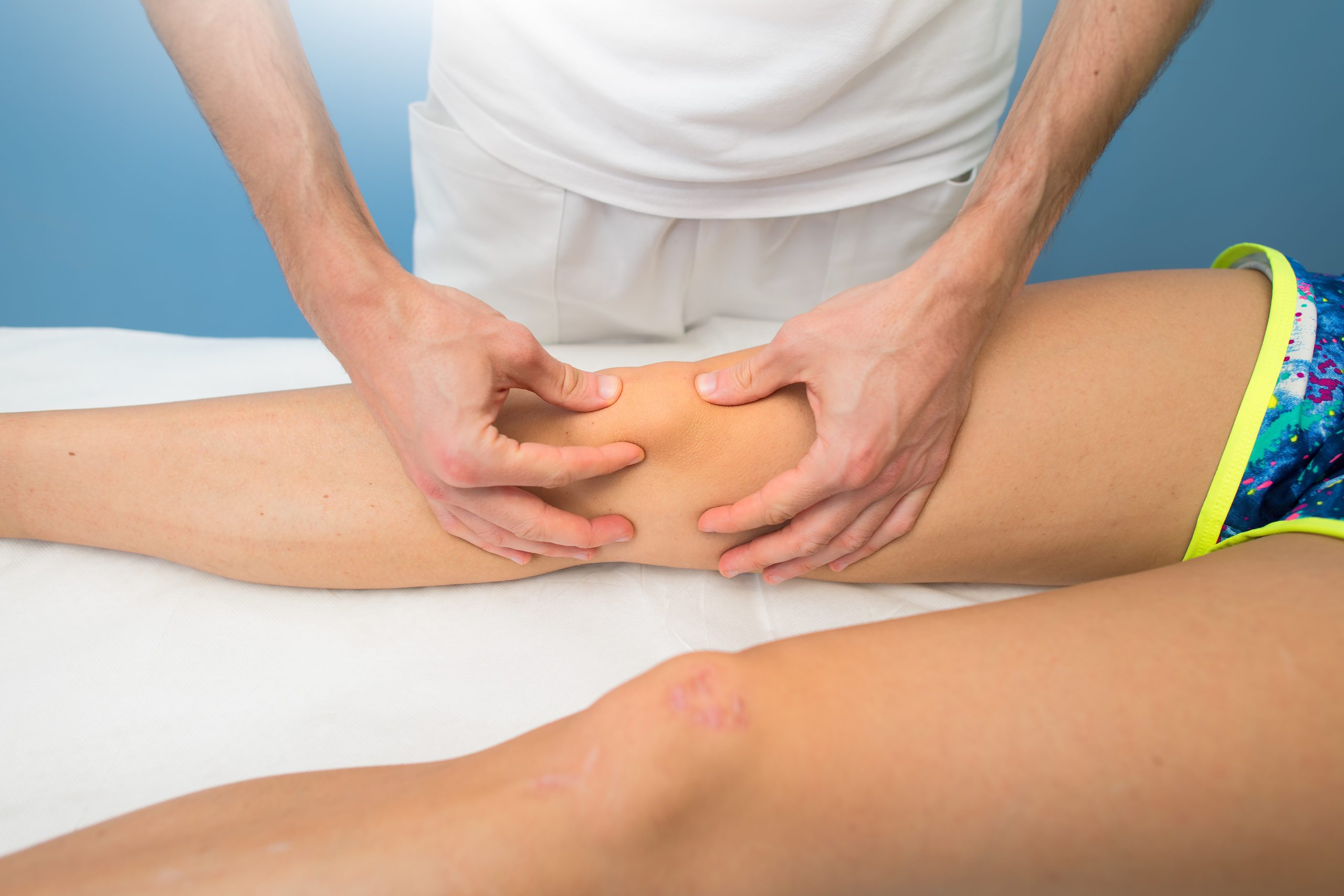
When evaluating knee pain, physical therapists look beyond the location of the discomfort. They may assess how the patella moves, how the quadriceps function, the strength and control of the hip muscles, and how the knee responds to activities such as squatting, stepping, or walking.
As Mayra explains in the accompanying video, the patella should move as the knee bends and straightens. Restrictions in that movement can sometimes contribute to knee discomfort, making patellar mobility one consideration during an evaluation.
However, not every case of knee pain involves restricted patellar movement, and not every restriction requires treatment. Understanding how the different structures work together helps guide an individualized approach rather than focusing on one area in isolation.
FAQ: The Patella and Knee Pain
Can the kneecap cause knee pain?
Yes. Several conditions involving the patella, surrounding cartilage, tendons, and supporting structures can cause pain around the front of the knee.
Why does my kneecap hurt when climbing stairs?
Stair climbing increases the demands placed on the knee and the patellofemoral joint. Pain may be associated with patellofemoral pain, cartilage changes, tendon problems, or other conditions that require evaluation.
Can a kneecap become stuck?
Patellar movement can become restricted, but the sensation of a knee catching or locking doesn’t necessarily mean the kneecap itself is stuck. Persistent catching or true locking should be evaluated to determine the cause.
Can physical therapy help with patellar pain?
Physical therapy can help manage many causes of patellar pain through individualized strengthening, movement training, activity modification, and other treatments based on the evaluation findings.
Understanding the Whole Knee
The patella may be small, but its role in knee movement is significant. Whether you’re climbing stairs, running, squatting, or simply walking, the kneecap works alongside the muscles and other structures that support the knee. Understanding how these components function together is an important part of identifying potential contributors to knee pain and determining an appropriate treatment approach.