Why Dancers’ Feet Are Prone to Injury
For dancers, the feet are the foundation of nearly every movement. From balancing on one leg to performing a relevé or landing from a jump, the feet must provide flexibility, strength, and stability. The foot contains 26 bones and numerous joints, muscles, ligaments, and tendons that must work together. When one area isn’t functioning properly, it can affect how the rest of the foot moves and handles stress.
Why Are Foot Injuries So Common in Dancers?
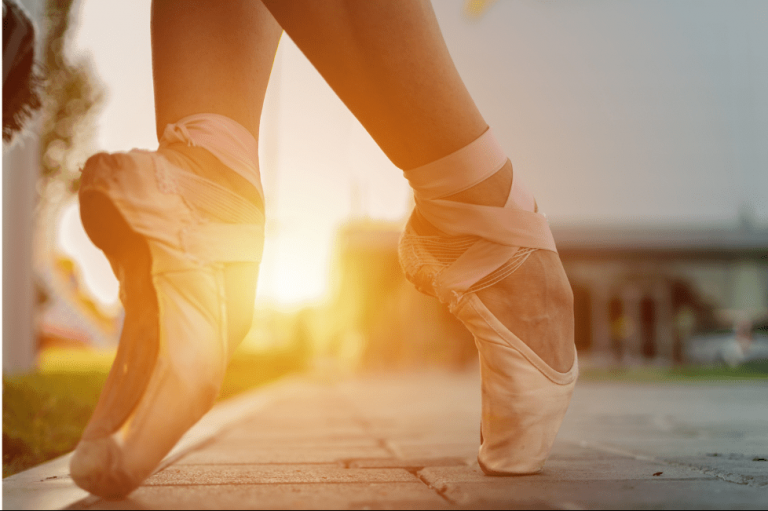
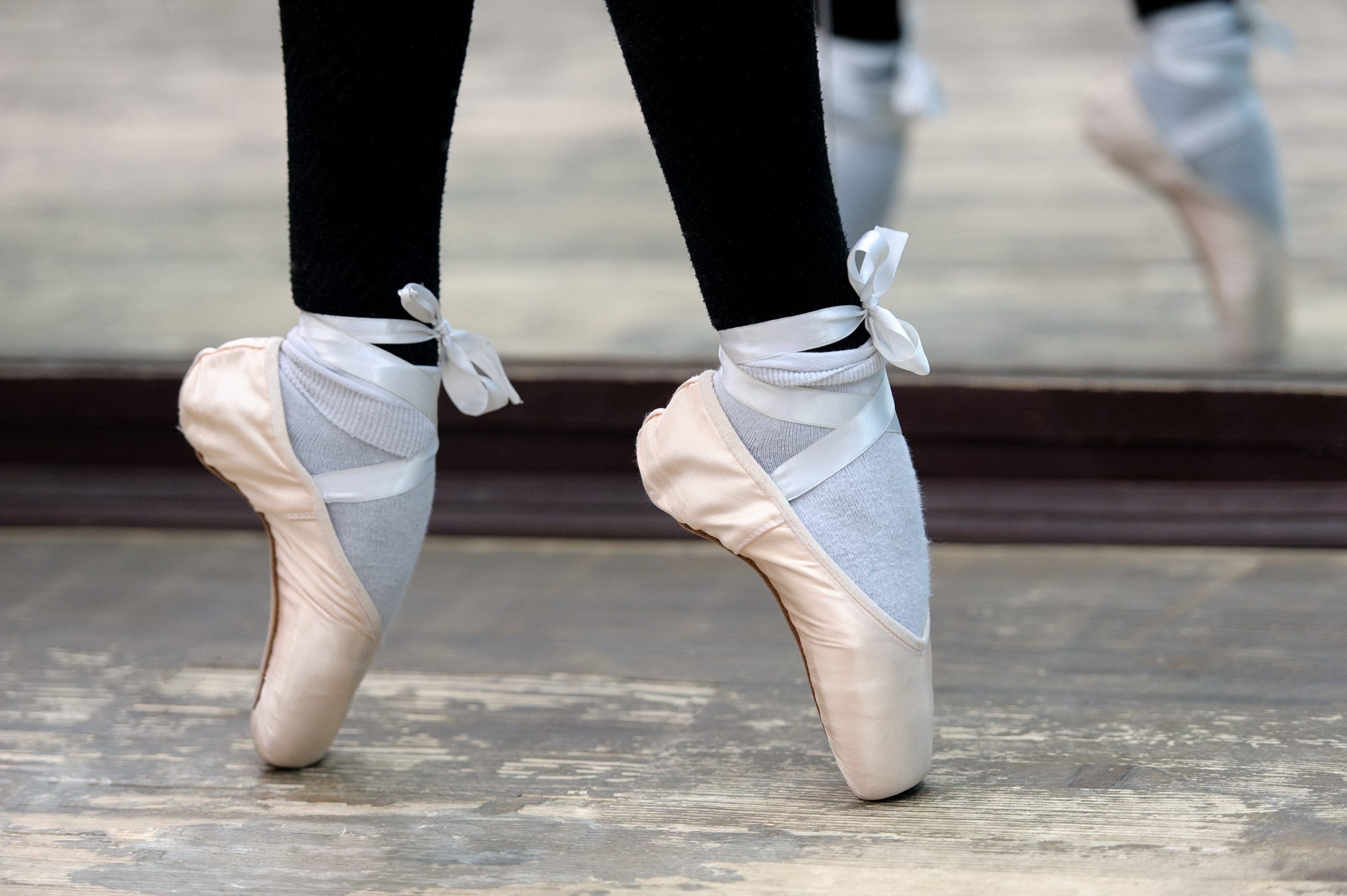
Dance places unique demands on the feet and ankles. Movements such as relevé, elevé, jumps, and turns require precise coordination while repeatedly placing stress on relatively small structures. Dancers frequently move through demanding ranges of motion, sometimes supporting their entire body weight on the balls of their feet or toes.
Over time, repetitive loading, insufficient recovery, muscle weakness, or limited joint mobility can contribute to discomfort and injury. Understanding how the different structures of the foot work together is an important part of addressing these problems.
Understanding the Joints of the Foot
The foot isn’t one simple joint. It’s a complex system of structures working together to create movement.
The Talocrural Joint (Ankle Joint)
This joint connects the lower leg to the foot and allows two important movements: dorsiflexion, which brings the foot toward the shin, and plantarflexion, which points the foot downward. These movements are essential for pliés, relevé, and landing mechanics.
The Subtalar Joint
Located beneath the ankle, this joint helps the foot move inward and outward while contributing to balance and stability. Its movement allows dancers to adjust their foot position and maintain control during demanding activities.
The Smaller Joints of the Foot
Numerous joints throughout the midfoot and forefoot help distribute weight, adapt to the ground, and generate force during push-offs. These structures work together to provide the combination of flexibility and stability dancers need.
When One Joint Affects Another
One of the most important things I look at when evaluating a dancer’s foot is how the different joints work together. When movement becomes restricted in one area, other joints may compensate. For example, limited ankle mobility can change how a dancer performs a plié, while reduced foot strength may affect balance during relevé.
These changes don’t automatically cause injuries, but they can alter how forces move through the foot and ankle. Over time, repetitive stress combined with poor movement control or inadequate recovery may contribute to problems such as ankle sprains, tendon irritation, or bone stress injuries. This is why I look at the entire foot rather than focusing only on the area experiencing pain.
How Physical Therapy Helps Dancers
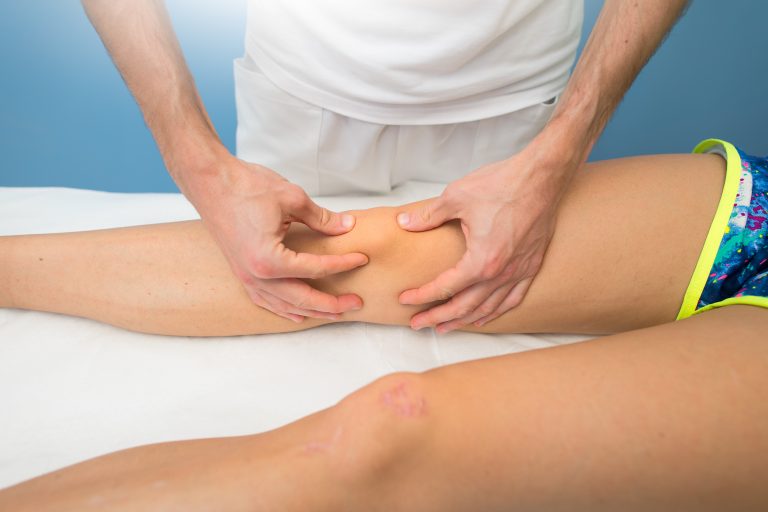
When working with dancers, I evaluate ankle mobility, foot strength, balance, and dance-specific movements to understand how the different structures are functioning together. Identifying movement restrictions, strength deficits, and balance limitations can help determine what needs attention.
Treatment may include targeted strengthening, mobility exercises, balance training, and adjustments to training demands. The goal isn’t simply to make the foot more flexible. Dancers need enough mobility to perform their movements while maintaining the strength and control necessary to support those positions.
Frequently Asked Questions
Why do dancers experience so many foot injuries?
Dance involves repetitive jumping, landing, balancing, and movements through demanding ranges of motion. These activities place considerable stress on the foot and ankle.
Can limited ankle mobility affect dance technique?
Yes. Restricted ankle mobility may influence movements such as pliés, relevé, and landings, sometimes causing dancers to compensate through other joints.
Is foot strength or flexibility more important for dancers?
Both are essential. Flexibility allows dancers to achieve specific positions, while strength and control help them maintain stability and manage physical demands.
Can physical therapy help prevent foot injuries?
Physical therapy can identify movement limitations and strength deficits that may increase injury risk. Appropriate conditioning and training progression can help dancers better manage the demands of their activities.
Taking Care of the Foundation of Dance
The feet play an essential role in nearly every dance movement. Their ability to function depends on numerous joints, muscles, and supporting structures working together. When one area isn’t moving effectively, it can influence the structures around it. Maintaining appropriate mobility, strength, and control helps dancers prepare for the physical demands of their art.
Healthy feet support stronger, more confident movement, both in the studio and beyond.