
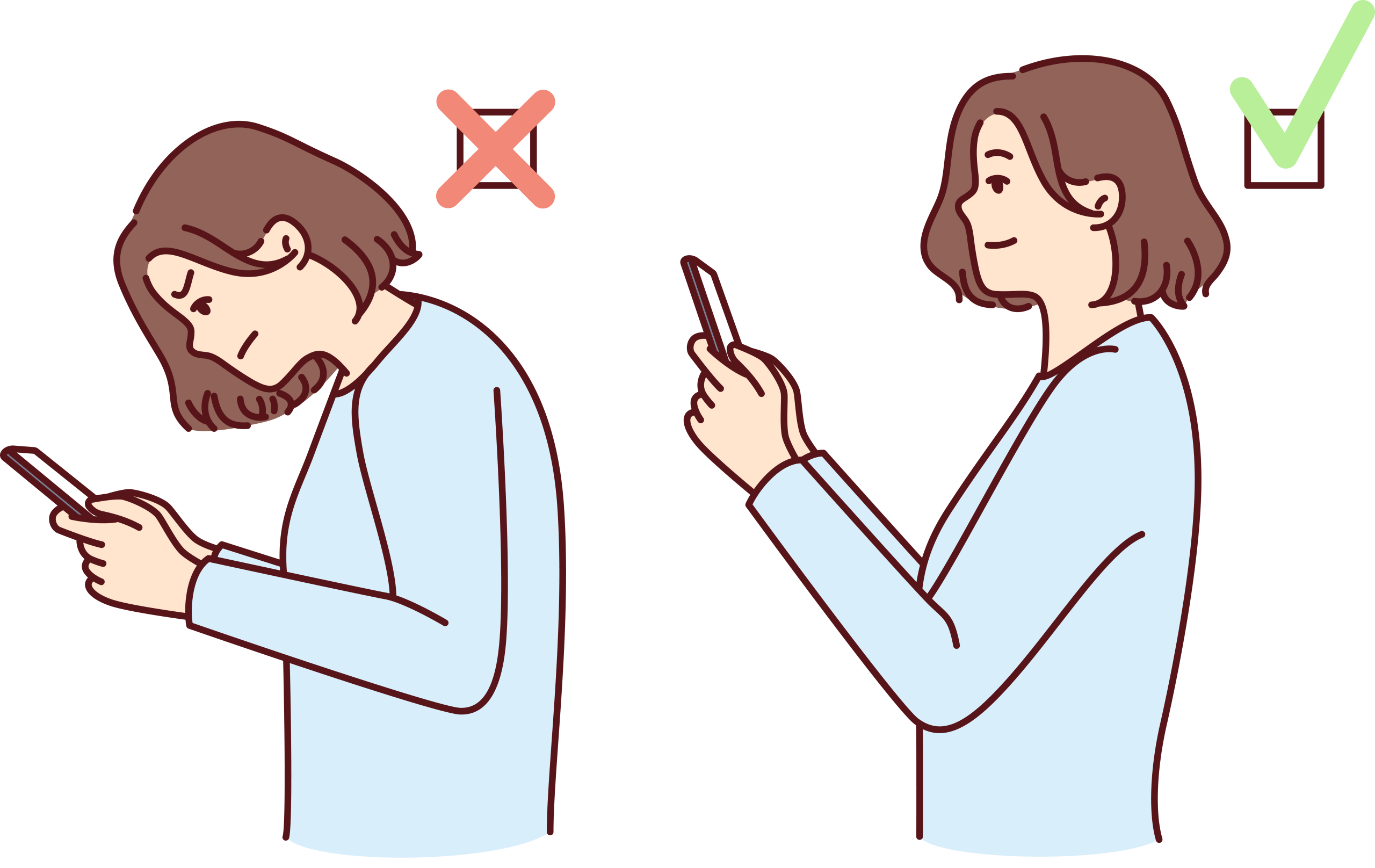
How to Prevent Neck Pain While Looking at Your Phone
Looking down at your phone has become part of everyday life. Whether you’re texting, scrolling through social media, reading, or watching videos, it’s easy to spend more time in that position than you realize. Eventually, you may notice stiffness or soreness developing in your neck and shoulders.
The good news is that you don’t need to stop using your phone or maintain perfect posture all day to help reduce that discomfort. A few changes to how you use your phone can make a difference.
Why Looking Down at Your Phone Can Make Your Neck Hurt
Your head is supported by the muscles and structures of your neck. When you’re looking straight ahead, your head is generally positioned closer to the center of your body’s support.
As you tilt your head forward to look down at your phone, the muscles in your neck have to work to control and support that position. The farther forward your head moves, the demands on those muscles can change.
That doesn’t mean looking down is inherently harmful. Your neck is designed to move in different directions. However, maintaining the same position for extended periods can contribute to muscle fatigue, stiffness, and discomfort.
It’s often the amount of time spent in one position, rather than the position itself, that deserves attention.
You Don’t Need Perfect Posture
You’ve probably heard that you should always sit up straight or keep your head perfectly aligned with your shoulders. But there isn’t one ideal posture that everyone needs to maintain throughout the day.
Even a position that feels comfortable initially can become uncomfortable if you stay there long enough.
Your body benefits from movement and variety. Changing positions allows different muscles to contribute and helps prevent the same tissues from working continuously in one position.
Instead of worrying about whether your posture looks perfect, focus on whether you’re moving regularly and staying comfortable.
Simple Ways to Reduce Neck Discomfort While Using Your Phone
Small adjustments can help reduce how long your neck stays in a demanding position.
Bring your phone closer to eye level. You don’t have to hold it directly in front of your face all day, but occasionally raising your phone can reduce how much you’re looking downward.
Change positions regularly. If you’ve been sitting with your head tilted forward, adjust how you’re sitting, stand up, or move into another comfortable position.
Take short movement breaks. Put your phone down occasionally, move your head and shoulders gently, or get up and walk around.
Pay attention to your shoulders. Some people tense their shoulders while concentrating on their screens. Allowing your shoulders to relax and changing how you support your arms may help.
Build movement into your routine. Regular physical activity and appropriate strengthening exercises can help your neck and surrounding muscles tolerate everyday demands.
You don’t need to make all these changes at once. Start with one or two habits that fit naturally into your day.
When Neck Pain Needs More Attention
Occasional stiffness after spending a long time on your phone may improve with movement and changes in your routine. But persistent or recurring pain shouldn’t automatically be blamed on your phone.
Neck discomfort can have several contributing factors, and not every case is related to posture or muscle fatigue.
If your symptoms continue, interfere with daily activities, or repeatedly return, a physical therapist can help evaluate your movement, strength, and other potential contributing factors.
Seek prompt medical attention for neck pain following significant trauma or accompanied by new or worsening weakness, numbness, difficulty walking, or other concerning neurological symptoms.
Frequently Asked Questions About Phone-Related Neck Pain
Does looking down at my phone damage my neck?
Looking down is a normal movement and doesn’t automatically cause damage. However, remaining in one position for long periods may contribute to muscle fatigue and discomfort.
Should I always hold my phone at eye level?
Not necessarily. Raising your phone can help you vary your neck position, but you don’t need to hold it at eye level every moment. Changing positions regularly is more practical than maintaining one supposedly perfect posture.
Can stretching help with neck pain from phone use?
Gentle movement and stretching may help some people feel more comfortable. However, persistent symptoms may require looking at additional factors such as strength, activity habits, and how long you’re remaining in certain positions.
How often should I take breaks from looking at my phone?
There’s no single break schedule that works for everyone. Taking brief movement breaks regularly and changing positions when you notice stiffness or fatigue can be a useful starting point.
Movement Matters More Than Perfect Posture
Your neck is designed to move, and using your phone doesn’t have to mean dealing with constant discomfort. The goal isn’t to eliminate every forward head position or force yourself to sit perfectly straight.
Instead, bring your phone closer to eye level when practical, change positions throughout the day, and give your muscles opportunities to move.
Sometimes the simplest way to feel better is to stop staying in the same position for so long.