Why Does My Child Hurt After Playing an Instrument?
Learning an instrument takes practice. For a young musician, that can mean suddenly spending hours each week repeating movements and holding positions their body isn’t accustomed to. We usually think about the mental side of learning music: reading notes, keeping rhythm, developing technique, and remembering what comes next. But playing an instrument is physical, too. The hands, wrists, arms, shoulders, neck, and back may all be involved, and those demands can add up as practice time increases.
Some tiredness while adjusting to a new activity isn’t unusual. Pain that keeps returning, gets worse, or starts interfering with playing deserves more attention.
Playing an Instrument Is a Physical Activity
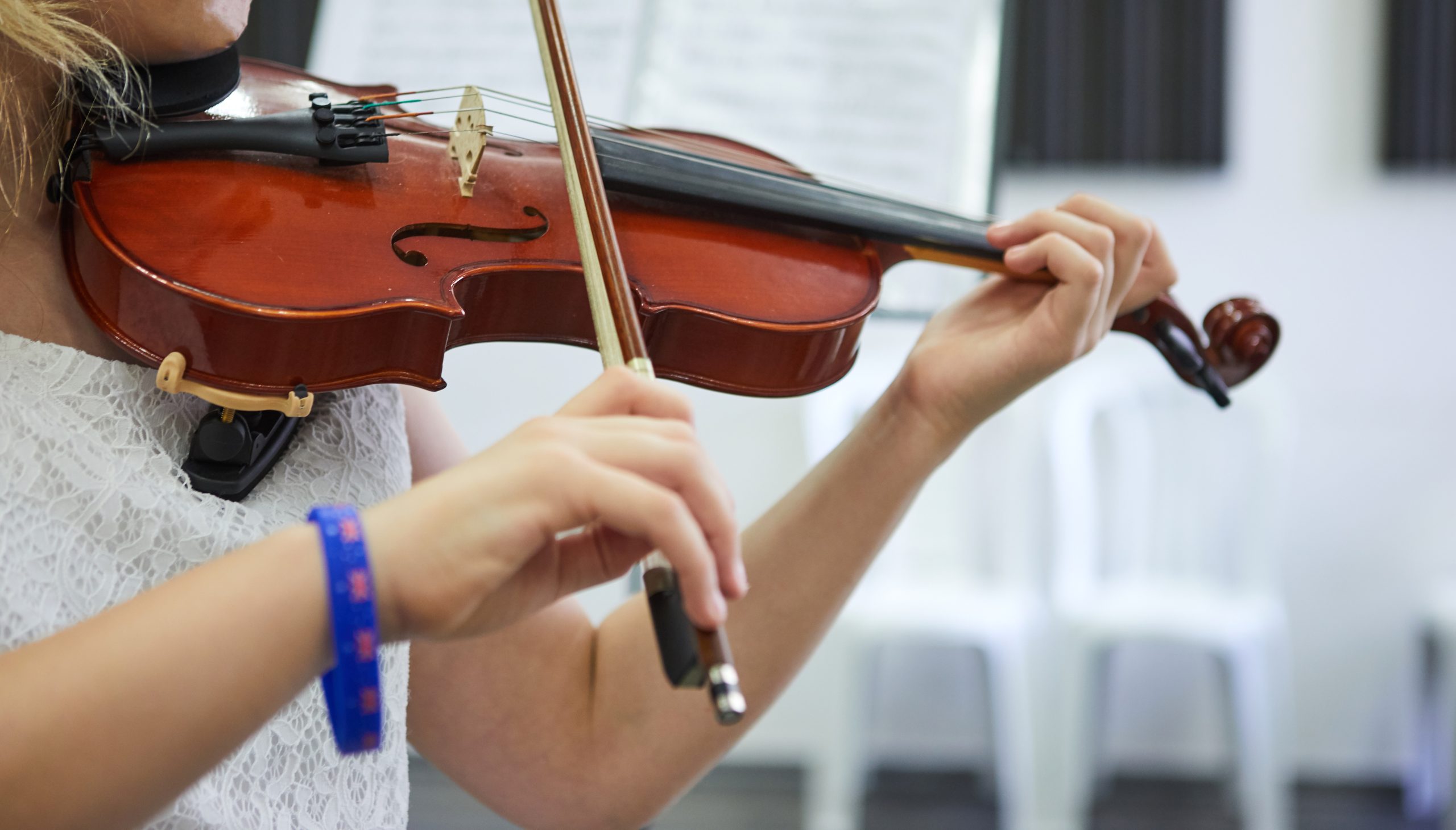
Musicians make difficult movements look effortless, but their bodies are working the entire time. A violinist or cellist may hold the head, neck, shoulders, and arms in specific positions for extended periods. Guitarists repeatedly use their fingers and wrists while supporting the instrument. Piano players perform thousands of small, coordinated movements with their hands and arms. Drummers add repetitive striking movements that can involve the wrists, elbows, and shoulders.
Even wind and brass instruments have physical demands involving posture, breathing, the hands, arms, neck, and upper body. For a student who is just beginning, these movements are new. Their body has to adapt just as their musical skills do.
Why Can Learning an Instrument Cause Discomfort?
One of the biggest factors is repetition. A student learning a difficult passage may play the same few measures again and again. They may practice longer as a concert or competition approaches, or suddenly increase their playing time when school band or orchestra starts. That increase in workload matters. Muscles and other tissues need time to adapt to repetitive activity, especially when a student is also learning how to position and control the instrument.
Instrument setup can matter as well. The size and position of the instrument, chair height, music stand placement, and how the student supports the instrument can all affect what the body is being asked to do. This doesn’t mean a parent needs to analyze every detail of a child’s playing. It does mean recurring discomfort shouldn’t automatically be dismissed as simply part of learning an instrument.
What Should Parents Watch For?
Kids don’t always describe discomfort clearly, especially when they’re excited about learning an instrument or worried that complaining will mean they have to stop playing. Sometimes the signs are easier to see than hear. A student may repeatedly shake out a hand, rub a wrist or shoulder, stretch their neck between songs, or change how they’re sitting to get comfortable. They may start taking frequent breaks because something hurts or avoid practicing as long as they normally would.
Pay attention if your child consistently complains about pain during or after playing, particularly if the same problem keeps returning. Pain that continues after practice, becomes more intense, affects everyday activities, or changes how the child plays is worth addressing.
More Practice Isn’t Always the Answer
When a student struggles with a piece of music, the natural response is often to practice more. Musically, that may make sense. Physically, adding more repetition to an already irritated area can sometimes make the problem worse.
Practice still matters, but so does recovery. Breaking practice into manageable sessions, taking short breaks, and gradually increasing playing time can give the body an opportunity to adapt. Students should also feel comfortable telling a parent or instructor when something hurts instead of feeling that they need to push through it. The goal isn’t to make young musicians afraid of discomfort. It’s to teach them that taking care of their bodies is part of being able to continue doing something they enjoy.
The Music Teacher and Physical Therapist Have Different Jobs
A music teacher is an important resource when it comes to instrument technique, positioning, and developing good playing habits. If something about the way a student is holding or playing the instrument needs to change, the instructor should be part of that conversation.
A physical therapist looks at the problem from a different perspective. If a young musician is experiencing pain, a physical therapist can evaluate strength, mobility, coordination, posture, and the movements involved in playing. The goal is to understand what may be contributing to the symptoms and determine what can be addressed physically.
Those roles can complement each other. The music teacher helps the student develop as a musician, while the physical therapist can help address physical problems that may be interfering with their ability to play comfortably.
When Should a Young Musician Be Evaluated?
Not every tired muscle requires an appointment. Learning a new physical activity can create temporary fatigue as the body adapts. Recurring or worsening pain is different.
If your child’s discomfort keeps returning with practice, lasts after they’re finished playing, limits how long they can play, affects other activities, or causes them to change how they move, it may be worth having the problem evaluated. The earlier goal isn’t necessarily to stop them from playing. It’s to understand why they’re hurting and help them continue participating safely when appropriate.
FAQ: Pain and Young Musicians
Is it normal for my child to feel sore after practicing an instrument?
Some temporary muscular fatigue can occur when a student begins a new activity or increases practice time. Recurring, worsening, or persistent pain shouldn’t automatically be considered a normal part of learning an instrument.
What areas commonly bother musicians?
That depends on the instrument and how it is played. The fingers, hands, wrists, forearms, elbows, shoulders, neck, and back can all experience physical demands from playing.
Should my child stop playing if something hurts?
That depends on the symptoms and their severity. Pain shouldn’t simply be ignored, but automatically stopping all activity isn’t always necessary either. If pain persists or affects playing or everyday activities, an evaluation can help determine the appropriate next step.
Can physical therapy help a student musician?
Physical therapy can help when pain or a movement problem is affecting a student’s ability to play. A physical therapist can evaluate strength, mobility, coordination, posture, and the physical demands associated with the instrument.
Taking Care of the Musician
Learning an instrument can become a lifelong skill and a source of confidence, creativity, and enjoyment. Taking care of the body that produces that music should be part of the process. Parents don’t need to react to every tired muscle, but they also shouldn’t assume persistent pain is simply the price of becoming a better musician. A musician’s body is an extension of the instrument. Taking care of the musician is part of taking care of the music.